
A Comprehensive Guide to Coastal Engineering Challenges and Solutions


Understanding Coastal Engineering
Coastal engineering is a specialized branch of civil engineering focused on the development and protection of coastal areas. As populations grow and climate change impacts become more pronounced, the need for effective coastal management strategies has never been more critical. Coastal engineers play a pivotal role in addressing these challenges, devising solutions that balance human needs with environmental sustainability.
The primary objective of coastal engineering is to safeguard coastal regions from erosion, flooding, and other natural hazards. This involves designing structures like seawalls, breakwaters, and levees that can withstand the forces of nature while minimizing environmental impact.
Challenges in Coastal Engineering
Erosion and Sedimentation
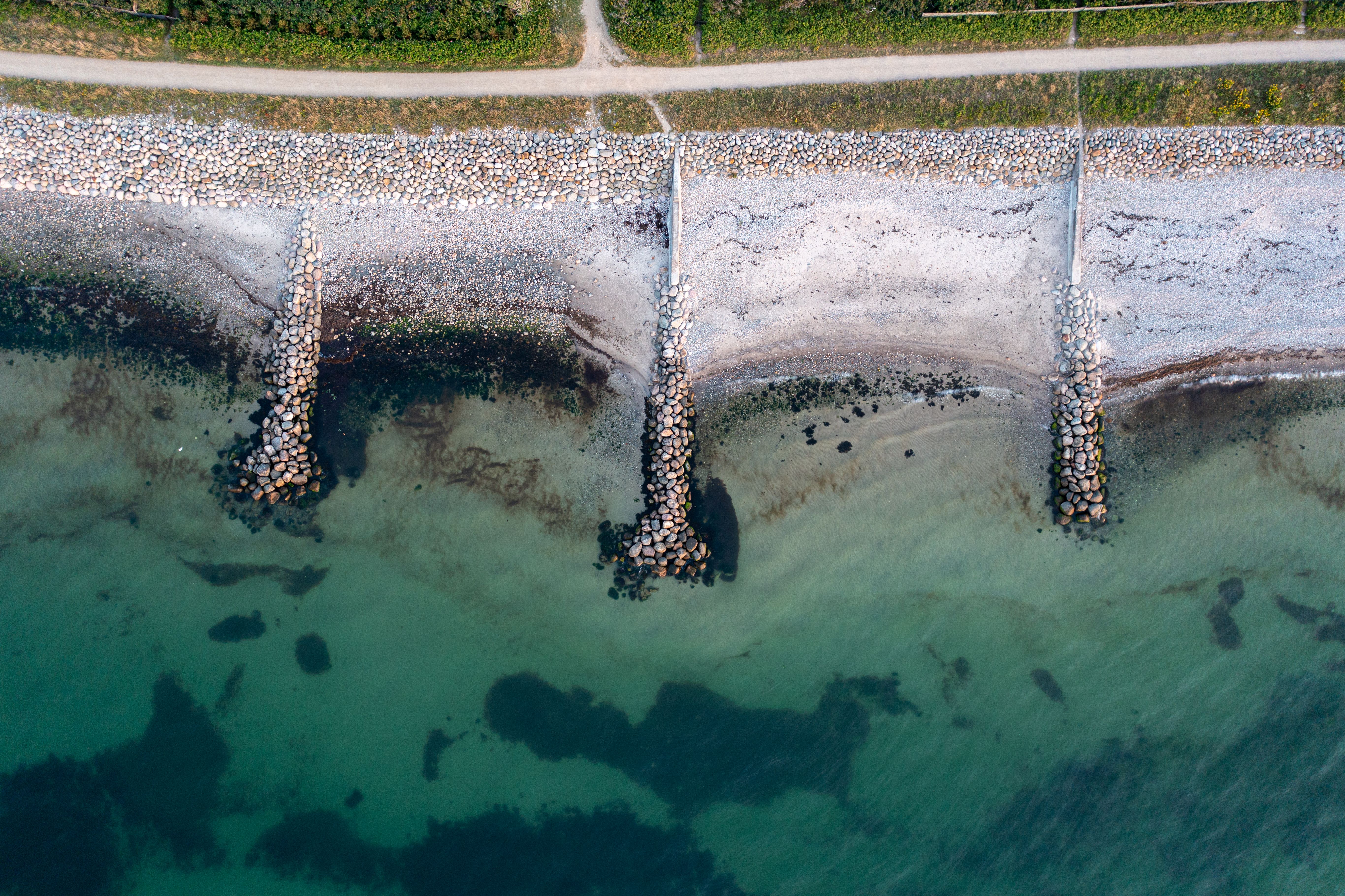
Erosion is a significant challenge in coastal engineering, as it can lead to the loss of valuable land and habitats. Coastal erosion occurs when wind, waves, and currents wear away the shoreline, while sedimentation can alter waterways and impact marine ecosystems. Engineers must develop solutions that mitigate these effects while preserving natural landscapes.
Rising Sea Levels
Climate change has led to rising sea levels, posing a severe threat to coastal communities worldwide. This phenomenon exacerbates the risk of flooding and erosion, requiring innovative engineering solutions to protect infrastructure and human lives. Coastal engineers must consider long-term strategies that account for these changes, ensuring sustainable development in vulnerable areas.

Innovative Solutions in Coastal Engineering
Soft Engineering Approaches
Soft engineering techniques focus on working with nature rather than against it. These methods include beach nourishment and the restoration of natural habitats like mangroves and wetlands, which can absorb wave energy and reduce erosion. Such approaches not only protect coastlines but also enhance biodiversity and ecosystem health.
Hard Engineering Structures
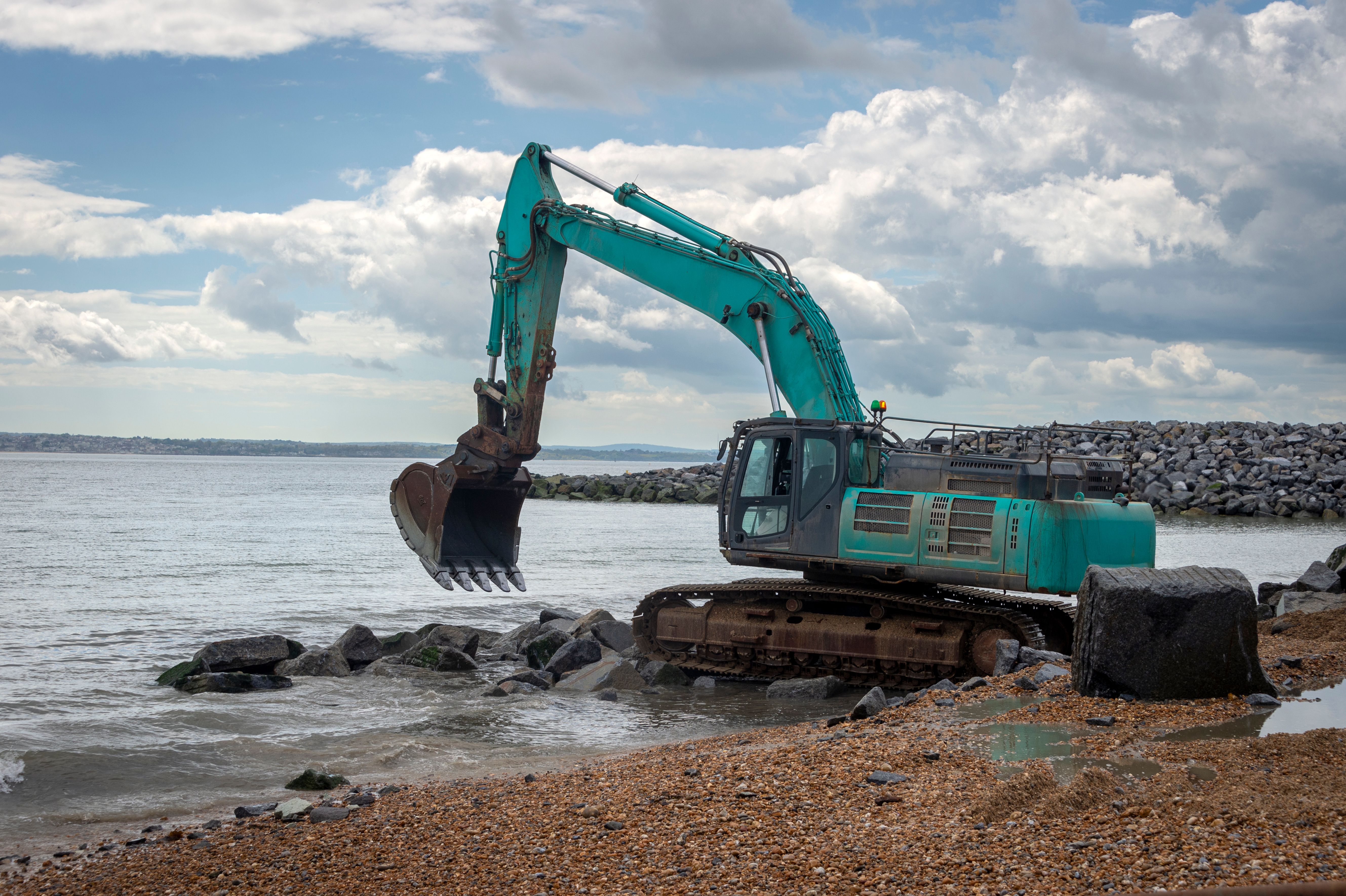
Hard engineering involves constructing physical barriers to protect coastal regions. Structures like seawalls, groynes, and breakwaters are designed to resist the forces of waves and tides. While effective, these solutions can be expensive and may impact local ecosystems, necessitating careful planning and design.
Future Perspectives
The future of coastal engineering lies in integrating technology and nature-based solutions. Advanced modeling tools and data analytics allow engineers to predict and plan for future challenges, while sustainable practices ensure the resilience of coastal communities. Collaborative efforts between governments, scientists, and local communities are essential for developing comprehensive strategies that address both current and future needs.
By embracing innovative practices and prioritizing sustainability, coastal engineers can effectively tackle the complex challenges facing our shorelines. These efforts will ensure that coastal areas remain vibrant and resilient for generations to come.