A Comprehensive Guide to Environmental Engineering on the Emerald Coast


Understanding Environmental Engineering
Environmental engineering is a critical field focused on developing solutions to environmental challenges. On the Emerald Coast, this discipline plays a vital role in preserving the pristine landscapes and ecosystems that define the region. Environmental engineers on the Emerald Coast work on projects that aim to reduce pollution, manage waste, and protect natural resources.

The Role of Environmental Engineers
Environmental engineers on the Emerald Coast engage in various activities that ensure sustainable development. They design systems for water and air pollution control, develop waste management strategies, and work on environmental impact assessments. Their expertise is crucial in advising businesses and government agencies on compliance with environmental regulations.
One of the key responsibilities of environmental engineers is to ensure the quality of water resources. With the Emerald Coast's reliance on tourism and fishing, maintaining clean water is paramount. Engineers develop systems to treat wastewater and prevent contamination of local waterways.

Key Projects and Initiatives
The Emerald Coast has witnessed numerous environmental engineering projects aimed at sustainability. These projects include beach restoration programs, habitat conservation efforts, and renewable energy initiatives. Engineers collaborate with local governments and organizations to design and implement these projects effectively.
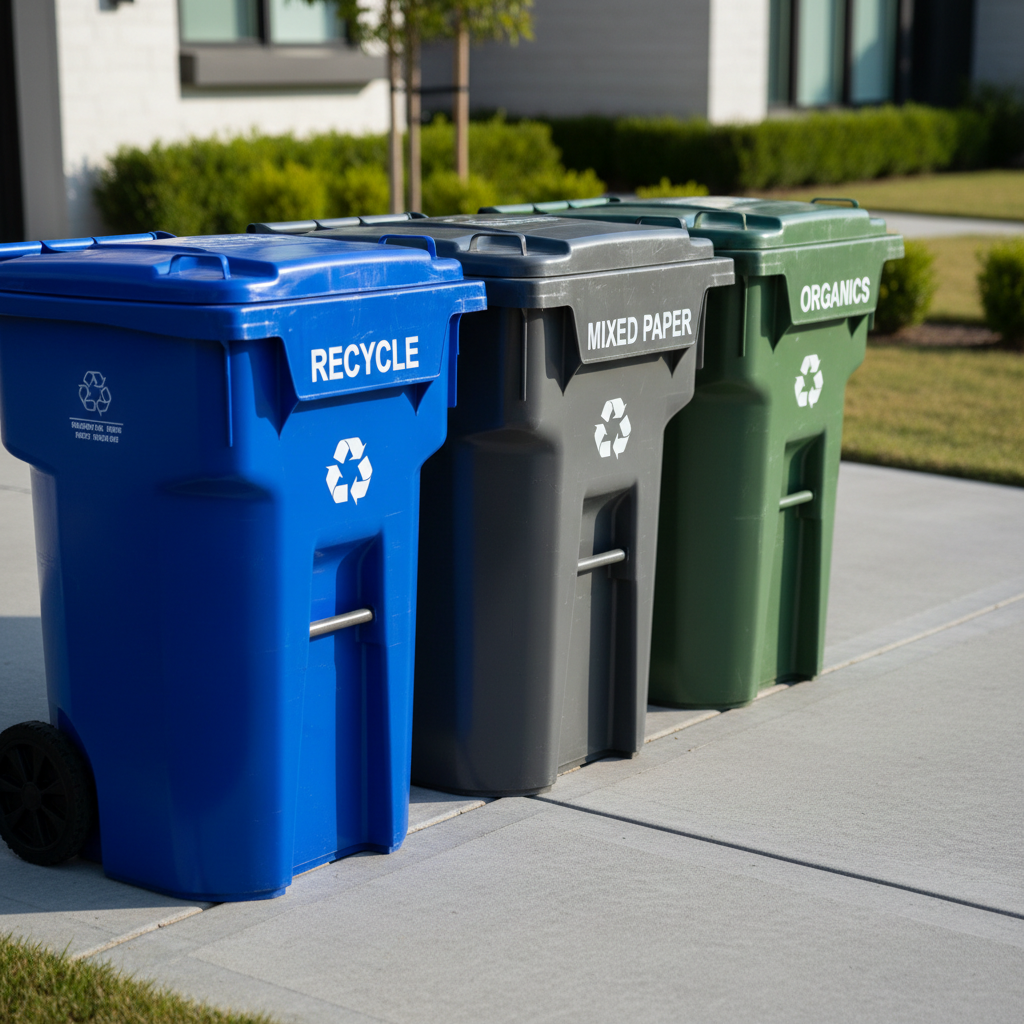
Another significant focus is on waste management. Engineers devise recycling programs and promote the reduction of landfill use. Through educational campaigns and community involvement, they work to foster a culture of sustainability among residents and businesses.
Emerging Technologies in Environmental Engineering
Technological advancements are transforming environmental engineering practices on the Emerald Coast. Innovations such as smart sensors for monitoring pollution levels and advanced filtration systems are examples of the cutting-edge tools used by engineers. These technologies provide real-time data, allowing for quick responses to environmental threats.
Moreover, the integration of renewable energy sources, like solar and wind power, is gaining traction. Environmental engineers are at the forefront of designing systems that harness these renewable resources, reducing reliance on fossil fuels.
Challenges and Future Directions
Despite significant progress, environmental engineers on the Emerald Coast face challenges such as climate change, rising sea levels, and population growth. Addressing these issues requires a proactive approach and innovative solutions. Collaboration with other disciplines and stakeholders is essential for developing comprehensive strategies.
Looking ahead, the focus will be on implementing sustainable practices, promoting environmental awareness, and leveraging technology to mitigate environmental impacts. The future of environmental engineering on the Emerald Coast is promising, with ongoing efforts to protect its unique ecosystems for generations to come.