
Debunking Myths: Common Misconceptions in Coastal and Structural Engineering


Understanding Coastal and Structural Engineering
Coastal and structural engineering are critical fields that ensure the safety and longevity of our built environment. However, several myths persist around these disciplines, leading to misunderstandings. It's essential to address these misconceptions to appreciate the work and innovation involved in these engineering sectors.
One common myth is that coastal engineering only deals with beach erosion. In reality, coastal engineering encompasses a wide range of activities including the design of seawalls, jetties, and flood defenses. These structures not only protect the shorelines but also contribute to sustainable management of coastal resources.
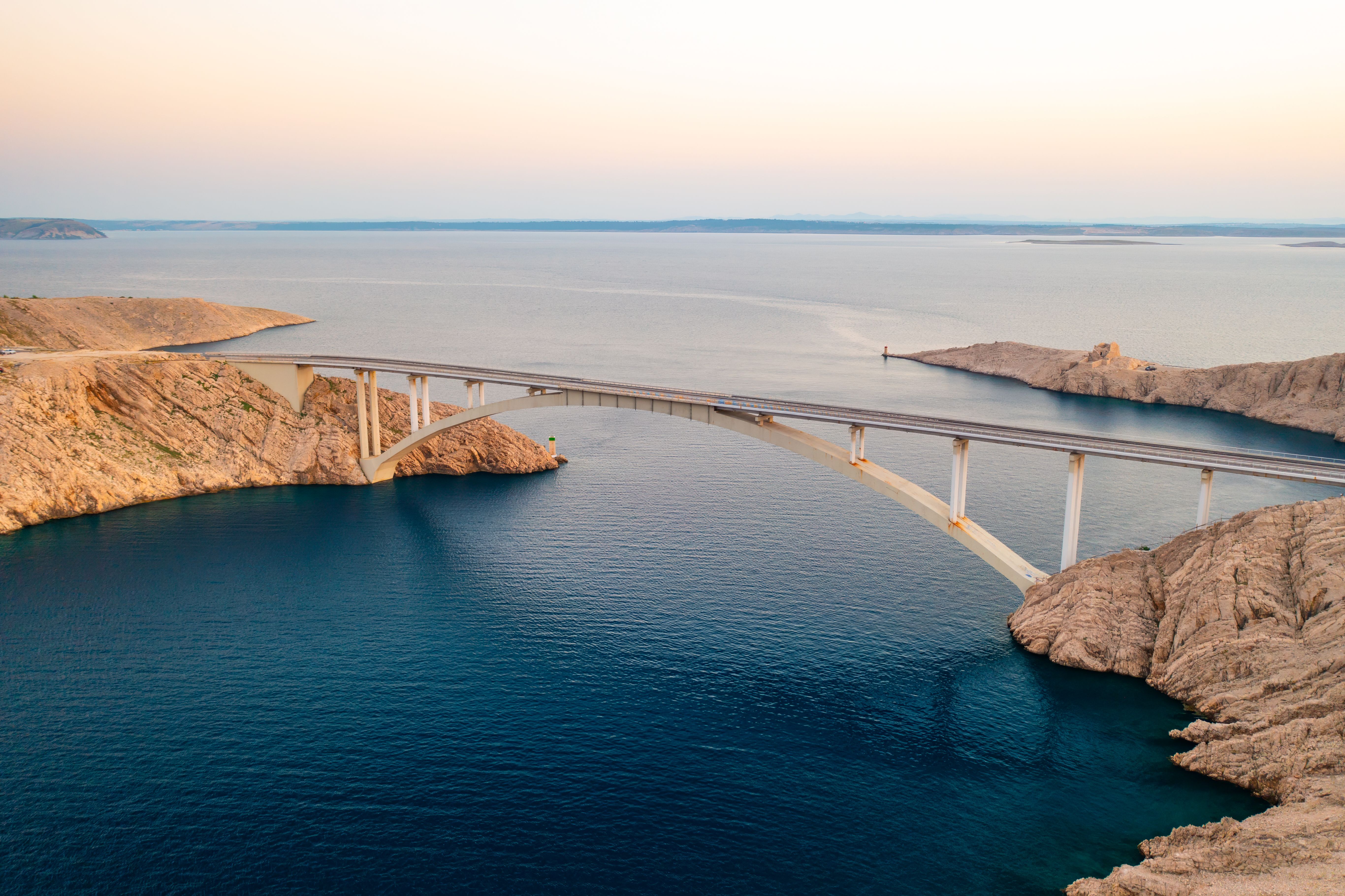
Myth 1: Structural Engineering is All About Building Bridges
Many people believe that structural engineering is solely focused on constructing bridges. While bridge construction is a significant aspect, structural engineers also design buildings, tunnels, dams, and even large-scale sculptures. Their expertise ensures that all these structures can withstand natural forces and human use.
Structural engineering involves complex calculations and materials science, ensuring that every element of a structure is safe and efficient. This requires a deep understanding of physics and an ability to predict how different materials behave under stress.
Myth 2: Coastal Engineering Only Involves Marine Environments
Another misconception is that coastal engineering is limited to marine environments. Coastal engineers work on projects that impact inland areas as well. For instance, they design systems to manage stormwater and control flooding in rivers and estuaries, which can be far from the sea.
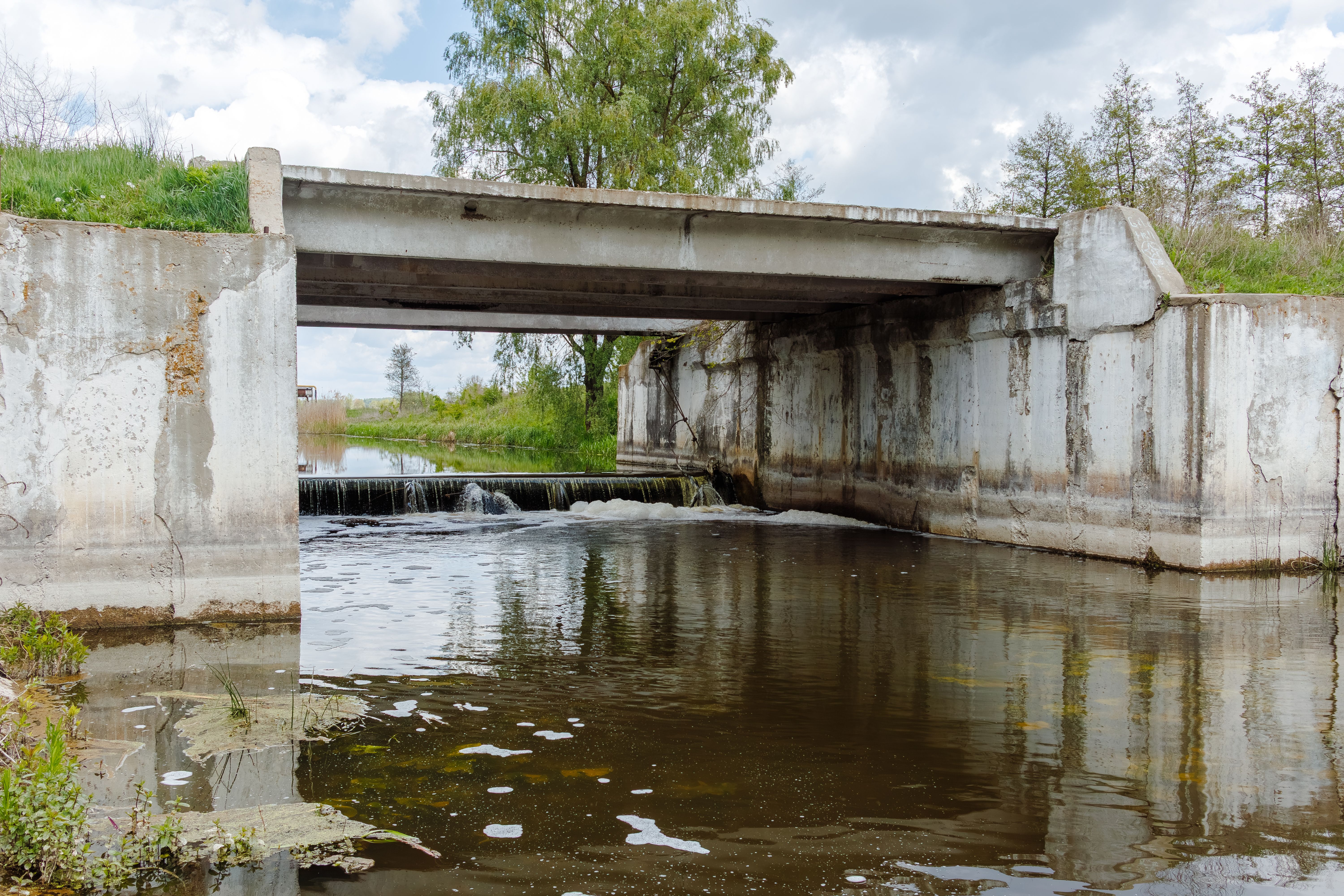
Their role is crucial in urban planning, where they help mitigate risks associated with rising sea levels and increased storm intensity due to climate change. Coastal engineers are pivotal in creating resilient cities that can adapt to environmental changes.
Myth 3: Structural Engineers Don't Consider Aesthetics
It's often thought that structural engineers focus solely on functionality, ignoring aesthetics. However, structural engineers frequently collaborate with architects to create designs that are both beautiful and functional. They ensure that the aesthetic vision can be realized without compromising safety or efficiency.
Modern architectural marvels, such as skyscrapers and iconic bridges, are excellent examples of this collaboration. Engineers use innovative materials and techniques to push the boundaries of design while maintaining structural integrity.

Myth 4: Coastal Structures Are Harmful to Marine Life
There's a belief that coastal structures disrupt marine ecosystems. While poorly planned structures can have negative effects, modern coastal engineering prioritizes environmental sustainability. Innovative designs often incorporate eco-friendly materials and aim to enhance marine habitats.
For example, some seawalls and breakwaters are now designed to support marine life, providing surfaces for organisms to attach and thrive. Coastal engineers work closely with environmental scientists to balance human needs with ecological preservation.
By debunking these myths, we can better appreciate the essential roles that coastal and structural engineers play in creating a safe, sustainable, and aesthetically pleasing built environment. Their work not only protects our communities but also enhances the quality of life for future generations.