
Emerging Trends in Coastal and Structural Engineering: Insights from ECEC


Introduction to Emerging Trends
Coastal and structural engineering are fields that continuously evolve to address new challenges and opportunities. The Emerging Coastal and Engineering Conference (ECEC) has become a pivotal event for professionals to explore the latest advancements and innovations. This post delves into some of the most significant trends discussed at the recent ECEC.
The conference highlighted the growing importance of sustainable practices in engineering. As environmental concerns become more pressing, engineers are developing solutions that not only enhance infrastructure but also preserve ecosystems. This balance between development and conservation is critical for future projects.

Resilient Infrastructure Design
Resilience is a key focus in modern engineering, especially in coastal areas prone to extreme weather events. Engineers are increasingly using advanced materials and designs to create structures that withstand harsh conditions. The integration of technology, such as real-time monitoring systems, allows for proactive maintenance and quick responses to potential threats.
Innovative design methods, such as modular construction and adaptive materials, are also gaining traction. These approaches enable faster construction times and greater flexibility, crucial for adapting to changing environmental conditions.
Digital Twin Technology
Digital twin technology is revolutionizing the way engineers plan and manage projects. By creating virtual replicas of physical structures, engineers can simulate scenarios, predict outcomes, and optimize performance. This technology not only enhances efficiency but also reduces risks associated with design and construction.

The use of digital twins extends beyond construction to the maintenance phase, providing continuous data that helps in making informed decisions about repairs and upgrades. This holistic approach ensures that structures remain safe and functional throughout their lifespan.
Innovations in Coastal Protection
Coastal zones face unique challenges, including erosion, rising sea levels, and storm surges. Innovative solutions, such as living shorelines and artificial reefs, are being developed to protect these areas. These methods offer natural buffers that reduce wave energy and promote biodiversity.
Another exciting development is the use of autonomous drones and underwater robots for monitoring coastal environments. These technologies provide real-time data, allowing for timely interventions and more effective management of coastal resources.
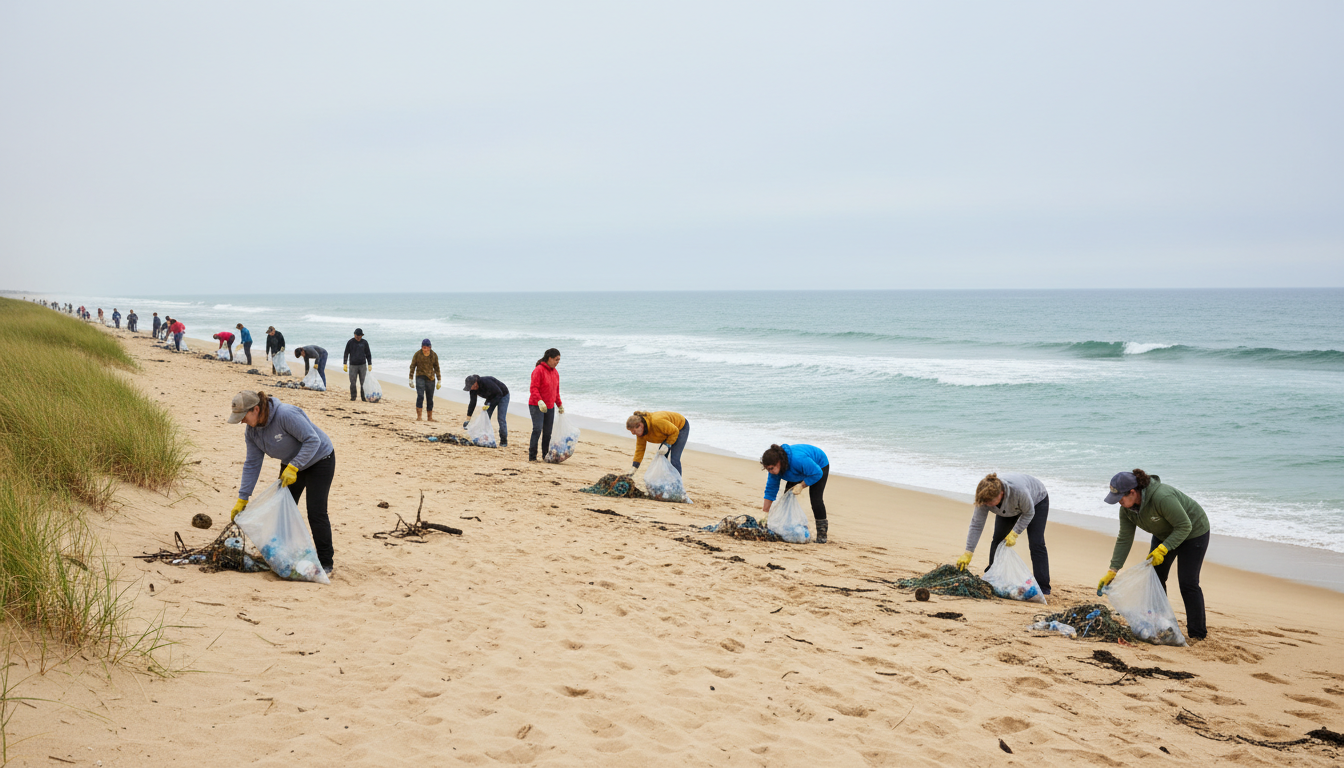
Sustainability and Green Engineering
Sustainability remains at the forefront of engineering practices. The adoption of green materials and energy-efficient designs is becoming standard. Engineers are focusing on reducing carbon footprints and increasing the longevity of structures through innovative construction techniques.
Renewable energy integration, such as solar panels and wind turbines, is also being incorporated into new projects. These initiatives not only support environmental goals but also offer cost savings in the long term.
Conclusion
The ECEC has highlighted several emerging trends that are shaping the future of coastal and structural engineering. From resilient design to digital technologies, these advancements promise to enhance infrastructure while addressing environmental challenges. As these trends continue to evolve, they will play a crucial role in building a sustainable and resilient future.