
Environmental Engineering Challenges and Opportunities in Coastal Areas


Introduction to Coastal Environmental Engineering
Coastal areas are dynamic environments where land meets the sea, creating unique challenges and opportunities for environmental engineers. As these regions face increasing pressure from climate change, pollution, and human activity, the role of environmental engineering becomes crucial in preserving and enhancing the natural ecosystems while supporting sustainable development.

Challenges in Coastal Areas
Climate Change and Rising Sea Levels
One of the most pressing challenges in coastal areas is the impact of climate change. Rising sea levels threaten to inundate low-lying regions, leading to habitat loss and increased erosion. Environmental engineers are tasked with developing strategies to mitigate these effects, such as constructing sea walls and implementing managed retreat policies.
Pollution and Water Quality
Coastal waters are often subjected to pollution from urban runoff, agricultural activities, and industrial discharges. This pollution can deteriorate water quality, harming marine life and affecting human health. Engineers must design effective wastewater treatment systems and promote practices that reduce pollution at the source.

Opportunities for Innovation
Renewable Energy Sources
Coastal areas offer significant opportunities for harnessing renewable energy. Technologies such as tidal and wave energy can provide sustainable power solutions. Environmental engineers play a crucial role in designing and implementing these systems, ensuring they are both efficient and environmentally friendly.
Restoration and Conservation Projects
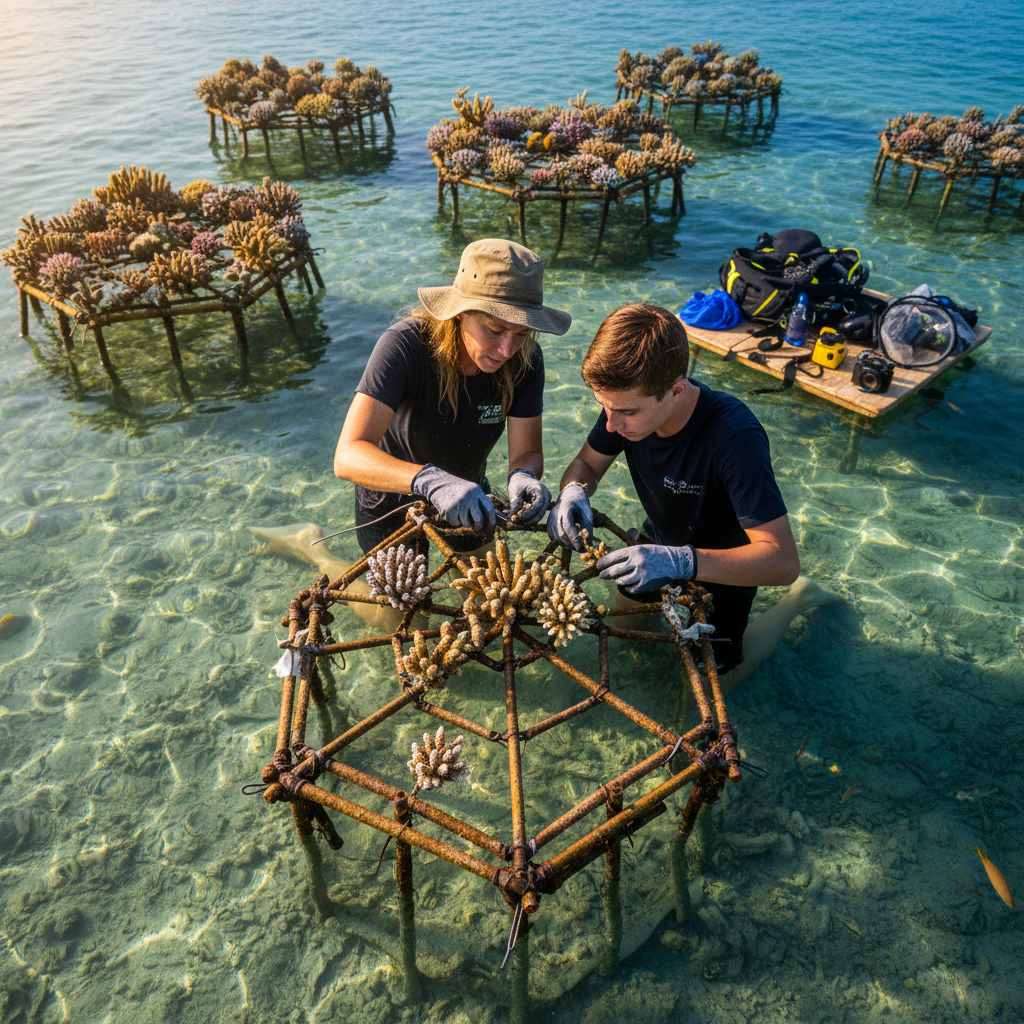
Restoration of coastal habitats, such as wetlands and mangroves, provides an excellent opportunity to enhance biodiversity and protect shorelines. These projects not only restore ecological balance but also offer natural protection against storm surges and erosion. Engineers collaborate with ecologists to design effective restoration strategies.
Policy and Community Engagement
Regulatory Frameworks
Creating and enforcing regulations is essential for the sustainable management of coastal resources. Environmental engineers work with policymakers to develop standards that protect the environment while allowing for responsible development. These frameworks ensure that economic growth does not come at the expense of ecological health.
Community Involvement
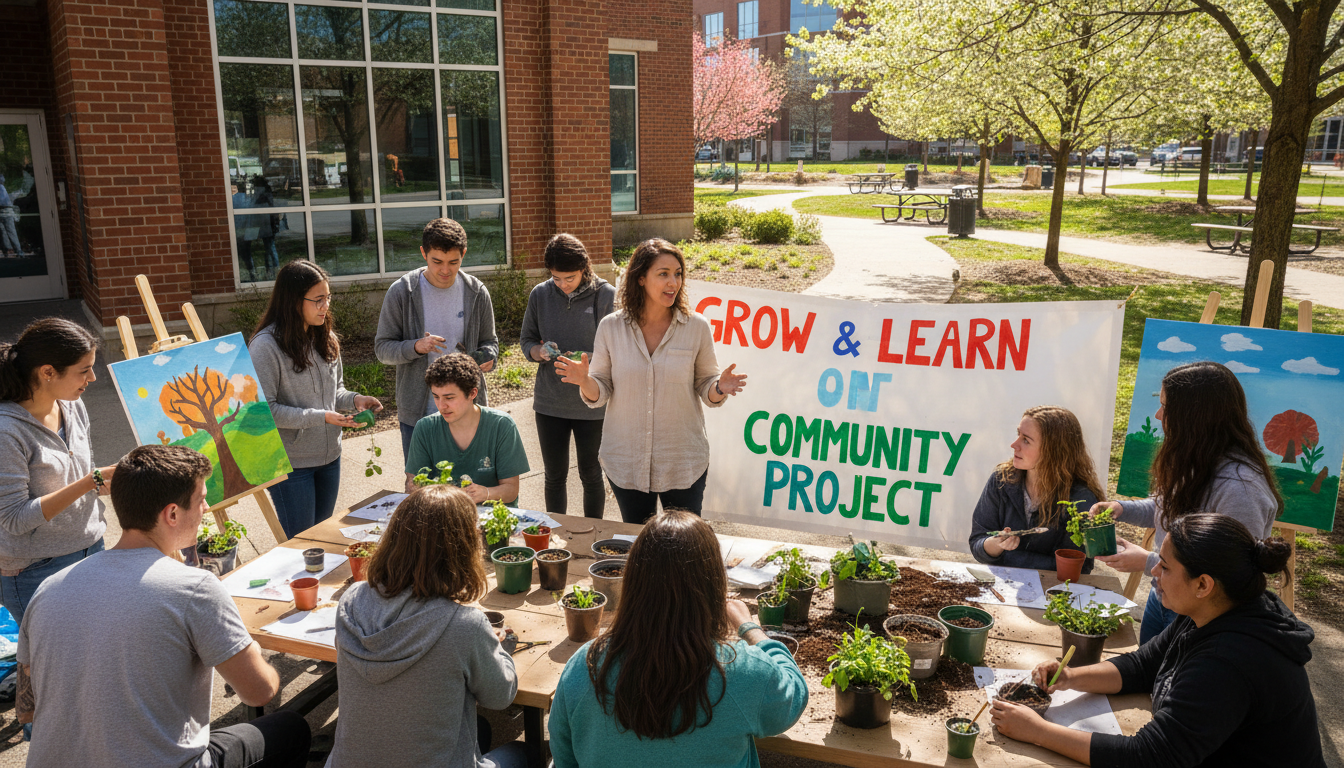
Engaging local communities in environmental projects is key to their success. By involving residents in decision-making and implementation, engineers can ensure that projects meet the needs of those most affected. Education and outreach programs foster a sense of ownership and responsibility towards coastal conservation.
Conclusion
Environmental engineering in coastal areas presents a unique set of challenges and opportunities. By addressing issues such as climate change, pollution, and habitat loss, engineers can develop innovative solutions that promote sustainability and resilience. Through collaboration, innovation, and community involvement, coastal regions can thrive while protecting their invaluable natural resources.