
Expert Insights: The Role of Structural Engineering in Coastal Environments


The Importance of Structural Engineering in Coastal Areas
Coastal environments present unique challenges for structural engineering due to their dynamic nature and exposure to harsh weather conditions. The role of structural engineers is crucial in ensuring that buildings and infrastructure can withstand these challenges while minimizing environmental impact. Understanding the interplay between natural forces and human development is key to designing resilient structures.
Designing for Resilience
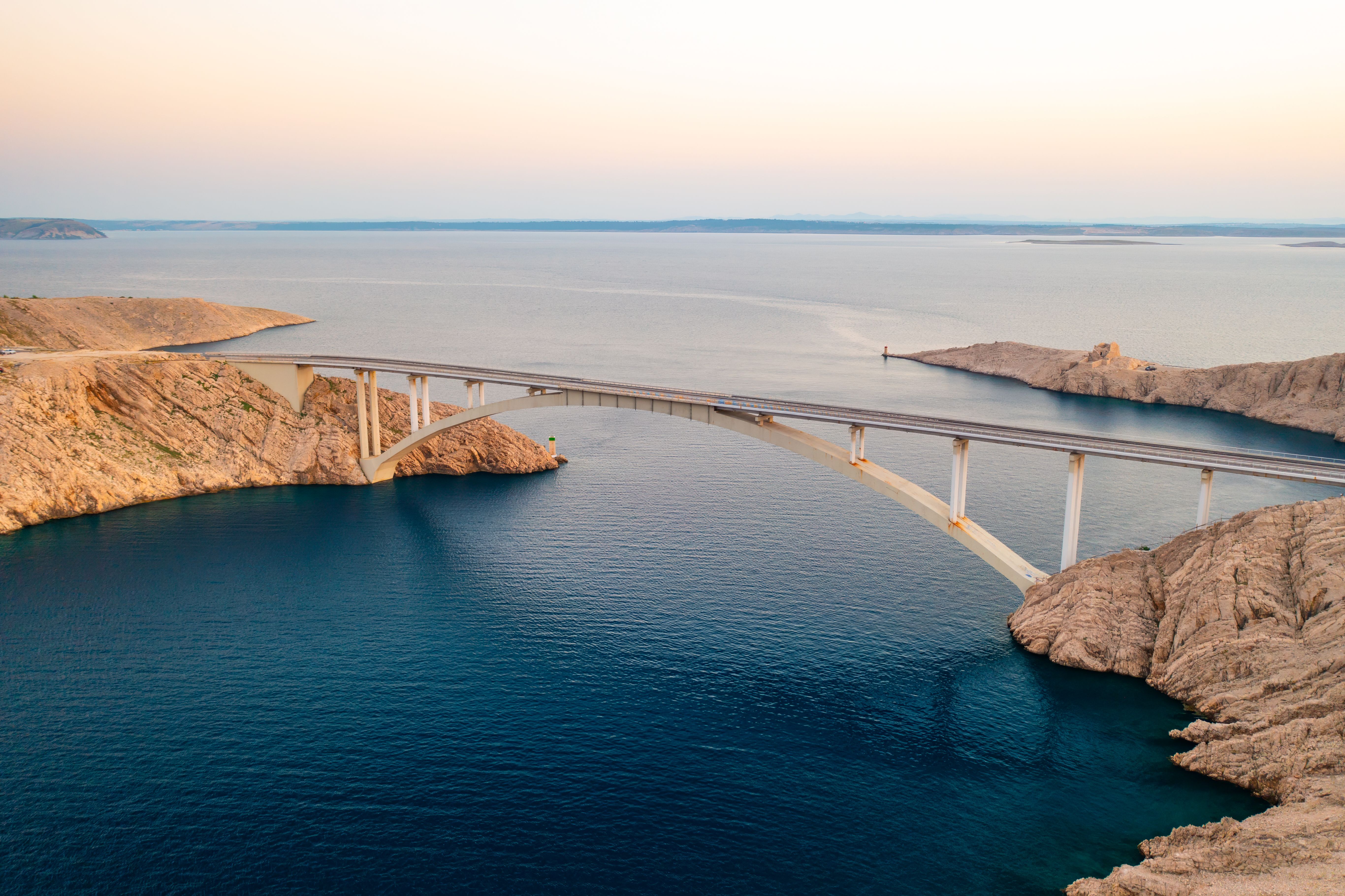
One of the primary goals of structural engineering in coastal areas is to design buildings that can resist extreme weather events such as hurricanes, tsunamis, and flooding. Engineers must consider factors like wind speed, wave action, and soil erosion when planning new developments. This often involves using innovative materials and construction techniques to ensure longevity and safety.
For example, elevated structures on stilts or pilings are common in flood-prone areas. These designs allow water to flow beneath buildings, reducing the risk of damage. Additionally, materials like reinforced concrete and corrosion-resistant metals are frequently used to enhance durability.

Environmental Considerations
In addition to designing resilient structures, structural engineers must also consider the environmental impact of their projects. Coastal ecosystems are delicate, and construction can disrupt habitats and natural processes. Engineers work closely with environmental scientists to minimize these impacts and promote sustainable development.
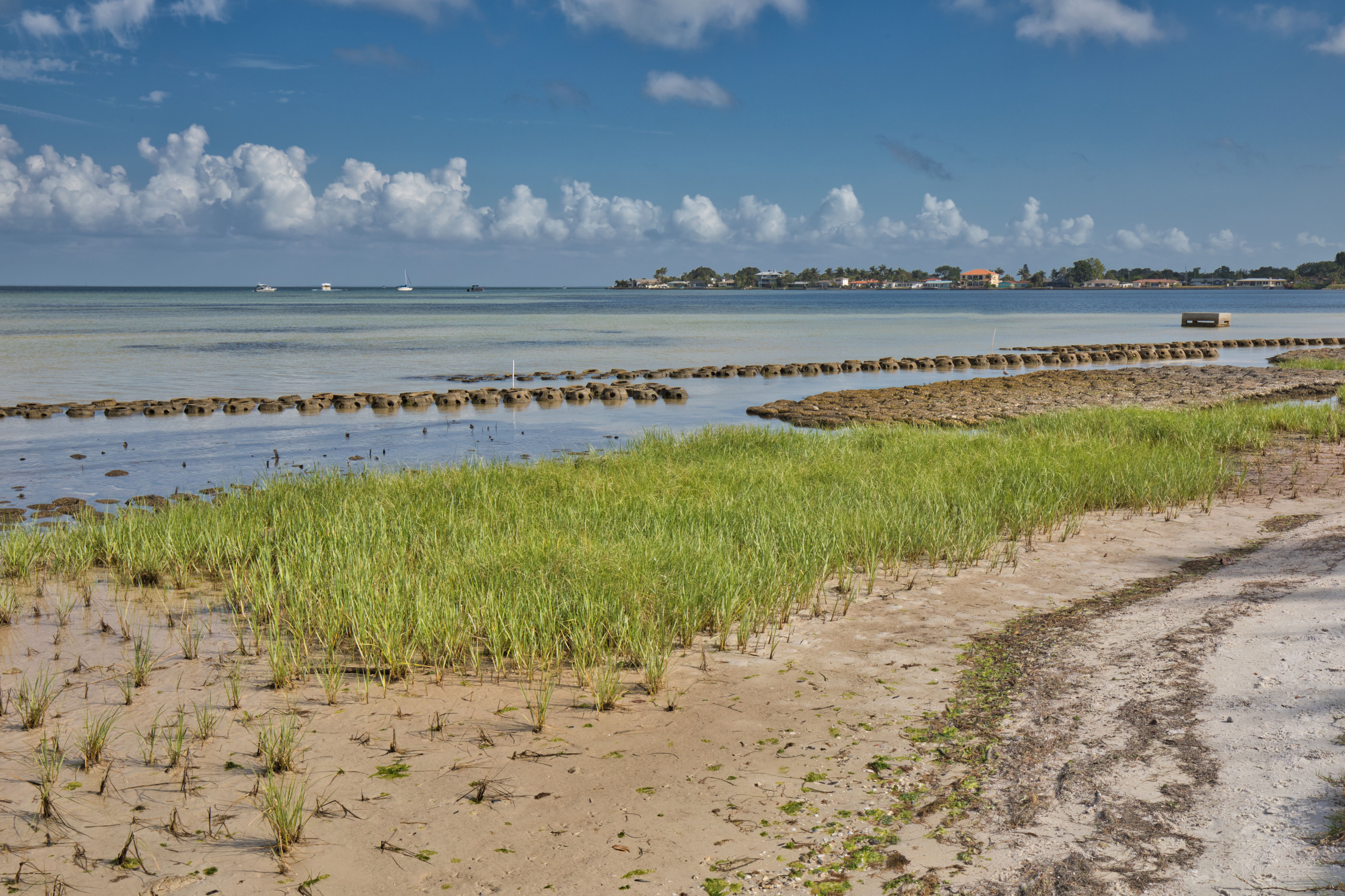
Strategies such as using locally sourced materials, implementing erosion control measures, and creating artificial reefs can help mitigate environmental disturbances. By balancing development with conservation, engineers contribute to the long-term health of coastal regions.
Innovative Technologies and Techniques
Advancements in technology have greatly enhanced the capabilities of structural engineers in coastal environments. Computer modeling and simulations allow engineers to predict how structures will respond to various environmental factors. This data-driven approach leads to more accurate and efficient designs.
Moreover, the use of drones and sensors enables real-time monitoring of structural integrity and environmental changes. These tools provide valuable insights that inform maintenance and adaptation strategies, ensuring the continued safety and resilience of coastal infrastructure.

The Future of Coastal Development
As climate change continues to influence coastal environments, the role of structural engineers will become increasingly important. Rising sea levels and more frequent extreme weather events necessitate innovative solutions and proactive planning.
Looking ahead, interdisciplinary collaboration will be essential in addressing these challenges. Engineers, architects, environmentalists, and policymakers must work together to create sustainable coastal communities that are both resilient and environmentally responsible.
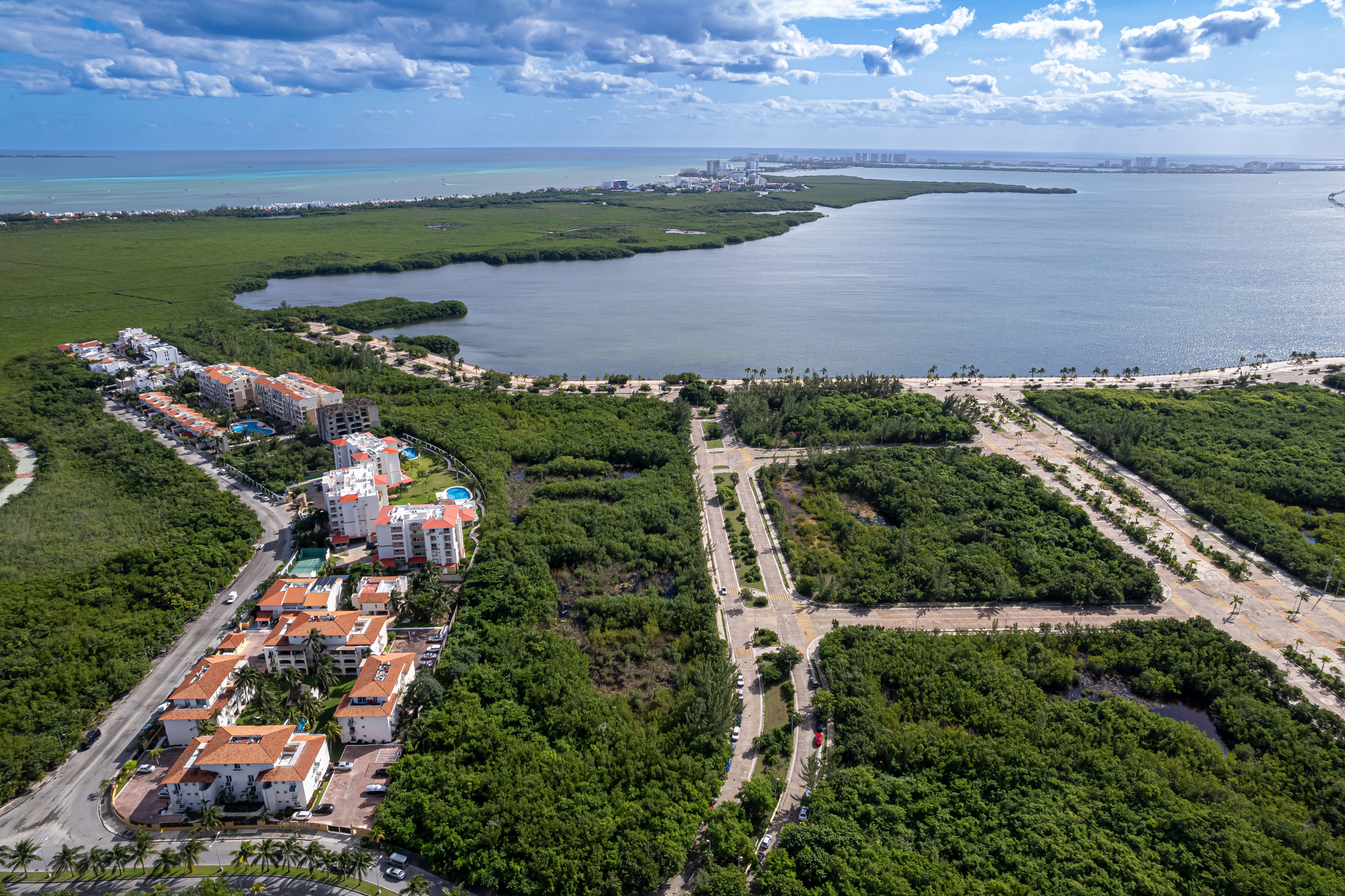
In conclusion, the role of structural engineering in coastal environments is multifaceted and vital for the safety and sustainability of these regions. By embracing new technologies and prioritizing environmental considerations, engineers can help build a future where coastal communities thrive despite the challenges posed by nature.