
Exploring Structural and Environmental Engineering: Case Studies from the Emerald Coast


Understanding Structural and Environmental Engineering
The fields of structural and environmental engineering are pivotal in shaping our physical world and preserving the natural environment. On the Emerald Coast, these disciplines merge seamlessly to tackle unique challenges posed by the region's geographical and climatic conditions. This blog post explores notable case studies in these fields, highlighting innovative solutions and sustainable practices.
Structural engineering focuses on the design and construction of buildings and infrastructure, ensuring safety and durability. Environmental engineering, on the other hand, aims to improve and protect the environment by managing natural resources and reducing pollution. Together, they create resilient structures that withstand both natural and human-induced pressures.
Innovative Structural Solutions
Hurricane-Resistant Designs
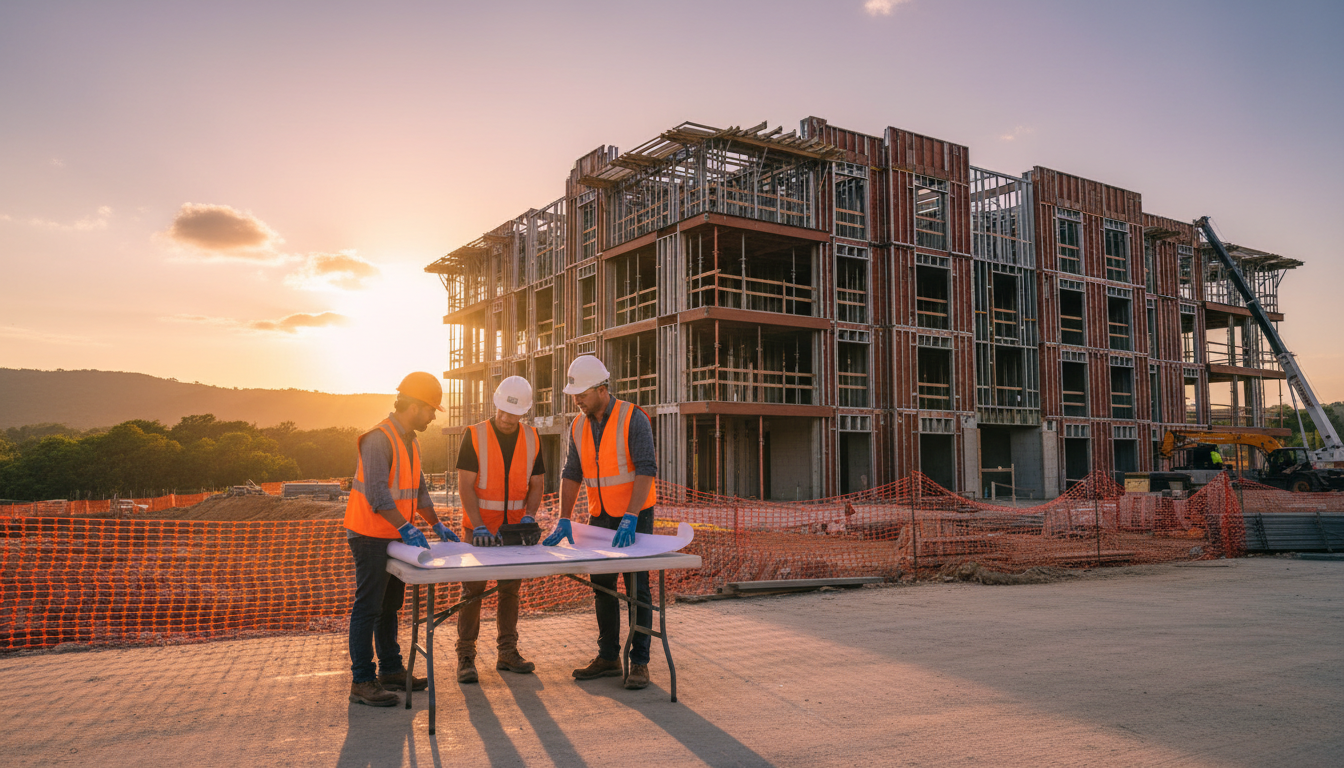
The Emerald Coast is prone to hurricanes, necessitating robust structural designs. Engineers in the region have developed hurricane-resistant buildings using advanced materials and techniques. For instance, reinforced concrete and steel frameworks are commonly utilized to improve the resilience of structures against high winds and flooding.
Additionally, architects incorporate aerodynamic shapes and elevated foundations to minimize wind resistance and prevent water damage. These design strategies not only enhance safety but also reduce repair costs and downtime after storms, ensuring communities can recover swiftly.
Sustainable Environmental Practices
Coastal Erosion Control
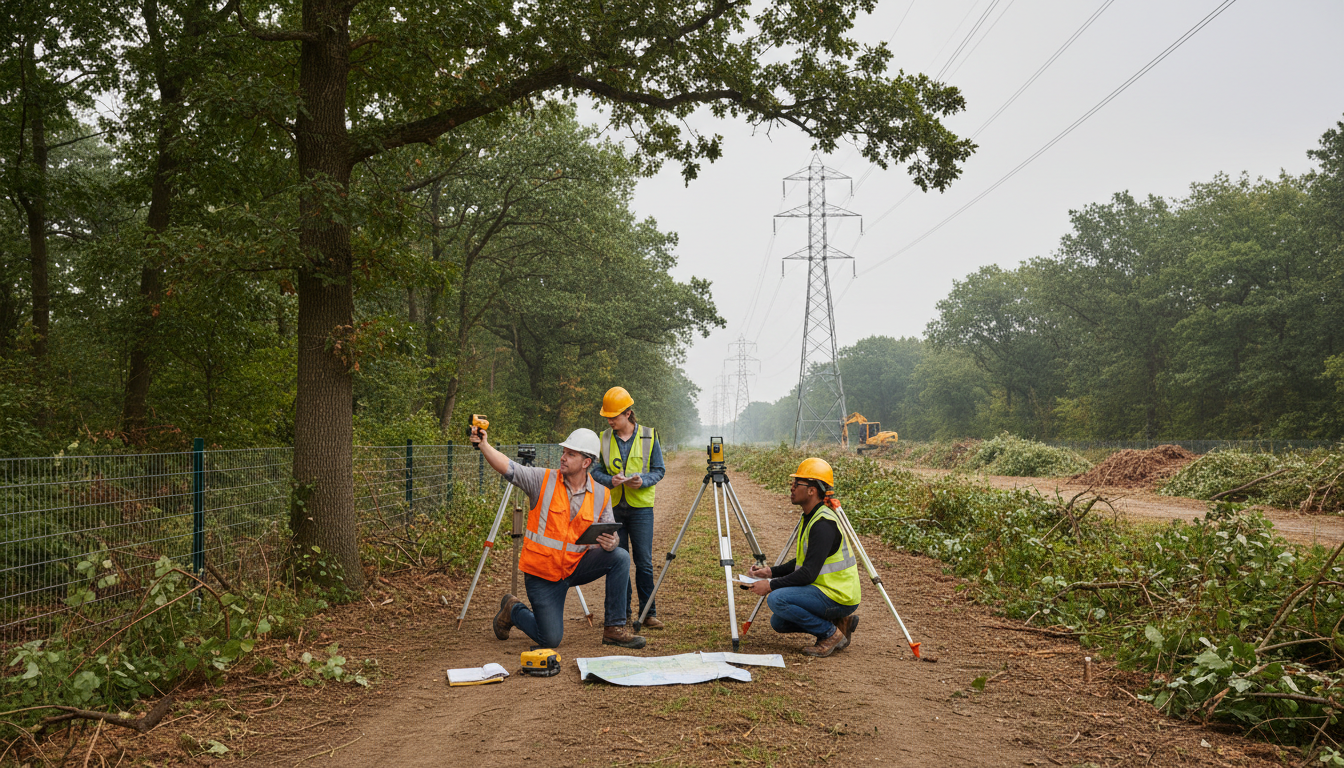
Coastal erosion is a significant challenge on the Emerald Coast, threatening habitats and human developments. Environmental engineers employ various methods to combat this issue, such as constructing sea walls, planting vegetation, and implementing beach nourishment projects. These efforts help stabilize shorelines and preserve the natural beauty of the area.
Furthermore, engineers work closely with local authorities to monitor erosion patterns and adapt strategies accordingly. The integration of technology, such as drones and satellite imagery, allows for precise and efficient data collection, facilitating informed decision-making.

Water Quality Management
Protecting water quality is essential for maintaining the ecological balance and supporting local communities. On the Emerald Coast, engineers design and implement systems to manage stormwater runoff, reduce pollution, and restore aquatic habitats. Techniques like constructed wetlands and permeable pavements are utilized to filter and absorb pollutants before they reach water bodies.
Moreover, public awareness campaigns and community involvement play a critical role in sustaining these efforts. By educating residents about pollution prevention and conservation practices, engineers foster a culture of environmental stewardship.
Conclusion: The Future of Engineering on the Emerald Coast
The integration of structural and environmental engineering is crucial for building a sustainable and resilient Emerald Coast. Through innovative designs and practices, engineers continue to address the region's unique challenges while promoting long-term environmental health.
As technology advances, the potential for even more effective solutions grows. The collaboration between engineers, scientists, and local communities will undoubtedly lead to a brighter, more sustainable future for the Emerald Coast and beyond.