
Innovations in Coastal Engineering: Shaping the Future of the Emerald Coast


Introduction to Coastal Engineering
The Emerald Coast, known for its stunning beaches and vibrant ecosystems, is facing challenges due to climate change and human activities. Innovations in coastal engineering are playing a pivotal role in addressing these issues, ensuring the sustainability and resilience of this cherished region.
Coastal engineering involves the design and construction of structures to manage and protect coastlines. From preventing erosion to enhancing habitats, engineers are developing cutting-edge solutions to preserve the Emerald Coast's natural beauty.

Advanced Erosion Control Techniques
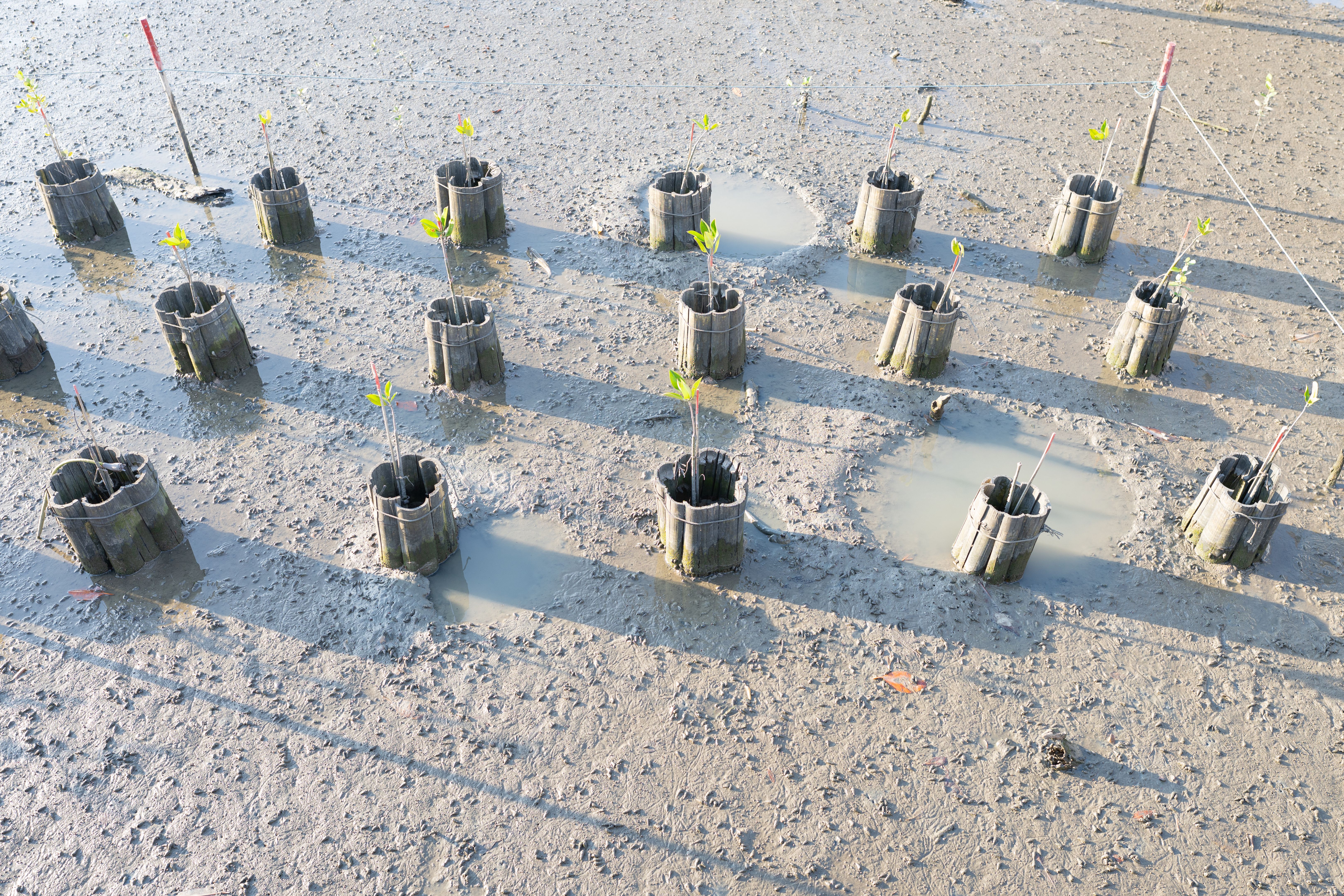
One of the most pressing concerns for the Emerald Coast is erosion. Advanced techniques such as living shorelines are being implemented to mitigate this issue. These solutions use natural materials and vegetation to stabilize the coastline, offering a sustainable alternative to traditional hard structures like seawalls.
Engineers are also utilizing geotextiles and sand nourishment to reinforce beaches. By carefully selecting materials and understanding local wave dynamics, these methods provide effective erosion control while maintaining the natural landscape.
Innovations in Storm Surge Protection
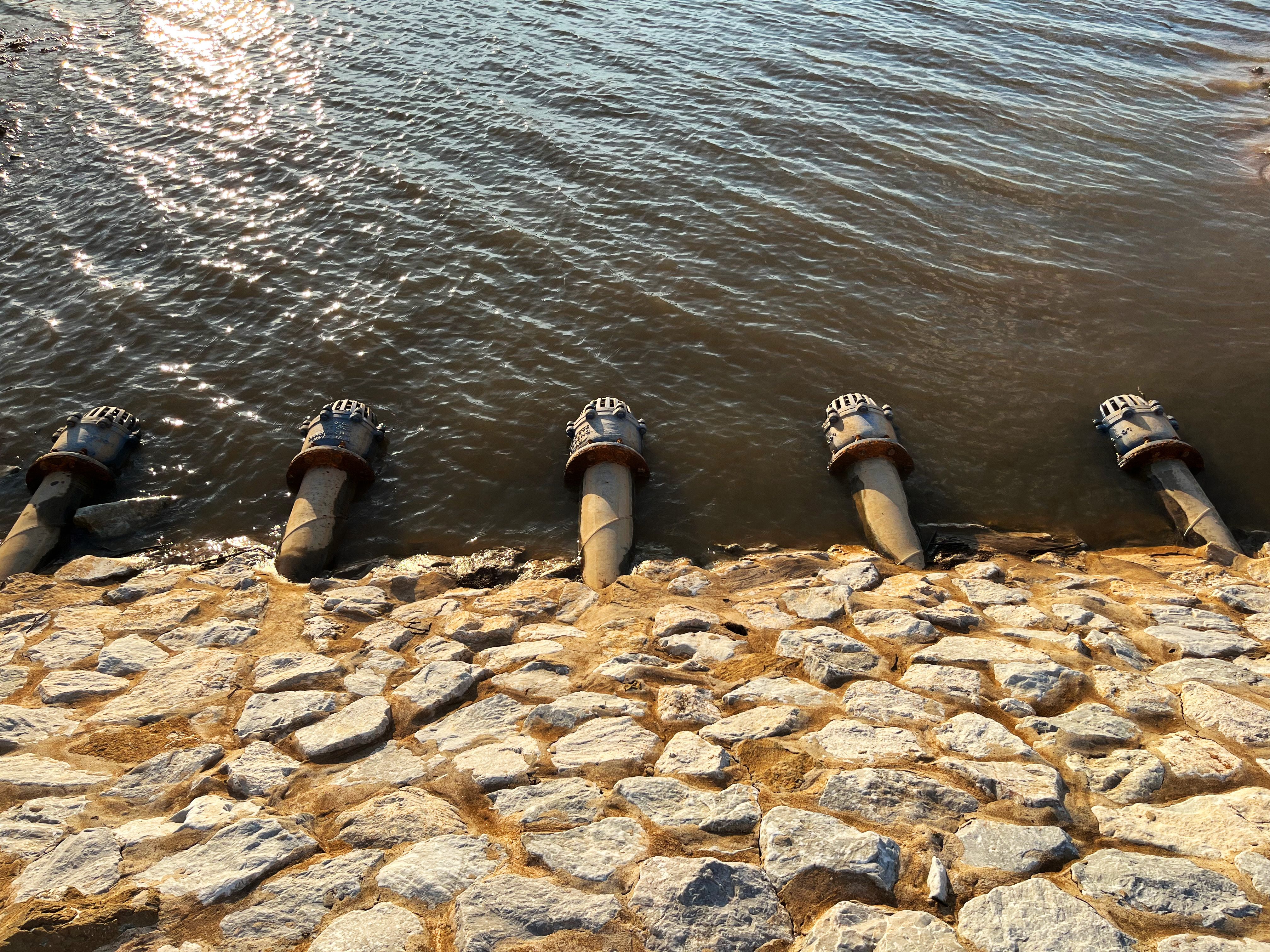
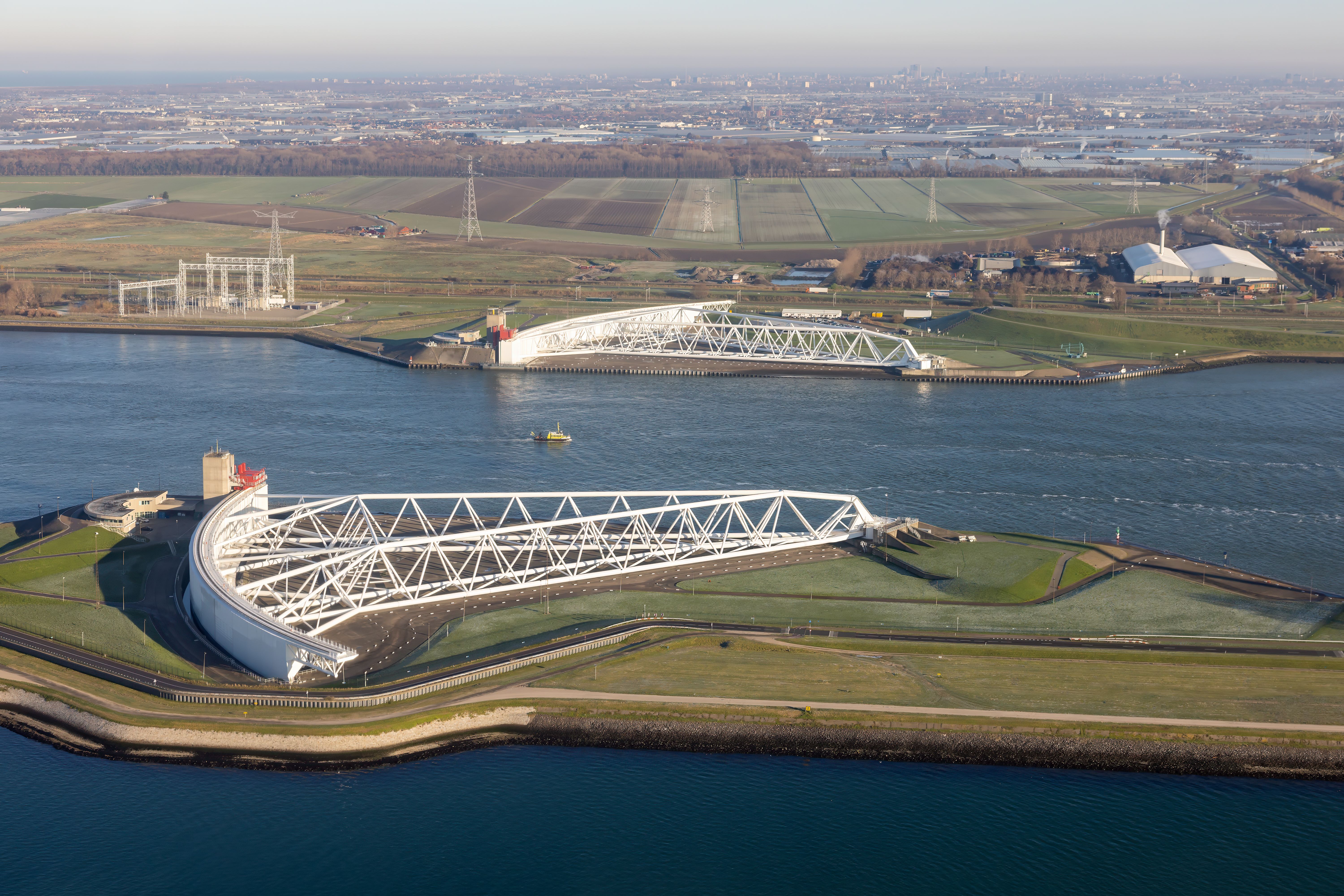
With the increasing frequency of storms, protecting the Emerald Coast from storm surges is crucial. Innovative designs such as floating barriers and adaptable seawalls are being developed to absorb and deflect wave energy, reducing the impact on coastal communities.
These structures are designed with flexibility in mind, allowing them to rise with the tide and provide maximum protection during severe weather events. This adaptability ensures the safety of both the coastline and the people who call it home.
Enhancing Marine Habitats
Coastal engineering is not only about protection but also about enhancing marine ecosystems. Projects aimed at restoring oyster reefs and seagrass beds are underway, providing essential habitats for marine life while also contributing to water quality improvement.
These initiatives utilize innovative materials and designs that mimic natural conditions, encouraging biodiversity and supporting the overall health of the marine environment.
The Role of Technology and Data
Advancements in technology are revolutionizing coastal engineering. The use of remote sensing and modeling software allows engineers to predict changes and plan interventions with greater accuracy. This data-driven approach ensures that solutions are both effective and efficient.
Drone technology is also being harnessed to monitor coastal changes in real-time, providing valuable insights into how these innovations impact the environment and where further improvements can be made.

Community Involvement and Education
Community involvement is essential in shaping the future of the Emerald Coast. Educational programs and participatory projects are empowering local residents to take part in conservation efforts. By fostering a sense of stewardship, these initiatives ensure long-term success and sustainability.
Workshops and outreach programs are helping to raise awareness about the importance of coastal engineering and the role everyone can play in preserving this vital region.
Conclusion
The future of the Emerald Coast is bright, thanks to the innovative approaches being developed in coastal engineering. By addressing challenges such as erosion and storm surges, enhancing marine habitats, and leveraging technology, these efforts are paving the way for a sustainable and resilient coastline.
As we continue to innovate and collaborate, the Emerald Coast will remain a treasured destination for generations to come.