
Innovative Solutions in Structural Engineering: A Guide


Introduction to Innovative Solutions in Structural Engineering
Structural engineering has always been a field characterized by constant evolution and innovation. With the advent of new technologies and materials, engineers are now able to design structures that were once thought impossible. From skyscrapers that touch the clouds to bridges that span vast distances, the possibilities are endless.

Advanced Materials Revolutionizing the Industry
One of the most significant advancements in structural engineering is the development of new materials. These materials, such as carbon fiber-reinforced polymers and high-performance concrete, offer unparalleled strength and durability. They allow engineers to create lighter, more efficient structures that can withstand the test of time.
Additionally, these materials are often more sustainable, reducing the carbon footprint of large construction projects. This shift towards eco-friendly solutions is not just a trend but a necessity in today’s environmentally conscious world.
Nanotechnology in Construction
Nanotechnology is another area where structural engineering is making strides. By manipulating materials at the molecular level, engineers can enhance properties like strength, flexibility, and resistance to wear and tear. This opens up a world of possibilities for creating resilient structures capable of withstanding extreme conditions.

Innovative Design Techniques
Beyond materials, the design techniques themselves are evolving. Parametric design, for instance, allows for the creation of complex geometries that were previously unattainable. By using algorithms, engineers can optimize designs for both aesthetics and functionality.
Moreover, Building Information Modeling (BIM) has revolutionized the way projects are planned and executed. BIM enables collaboration across disciplines, ensuring that every aspect of a structure is meticulously planned and executed.
3D Printing in Structural Engineering
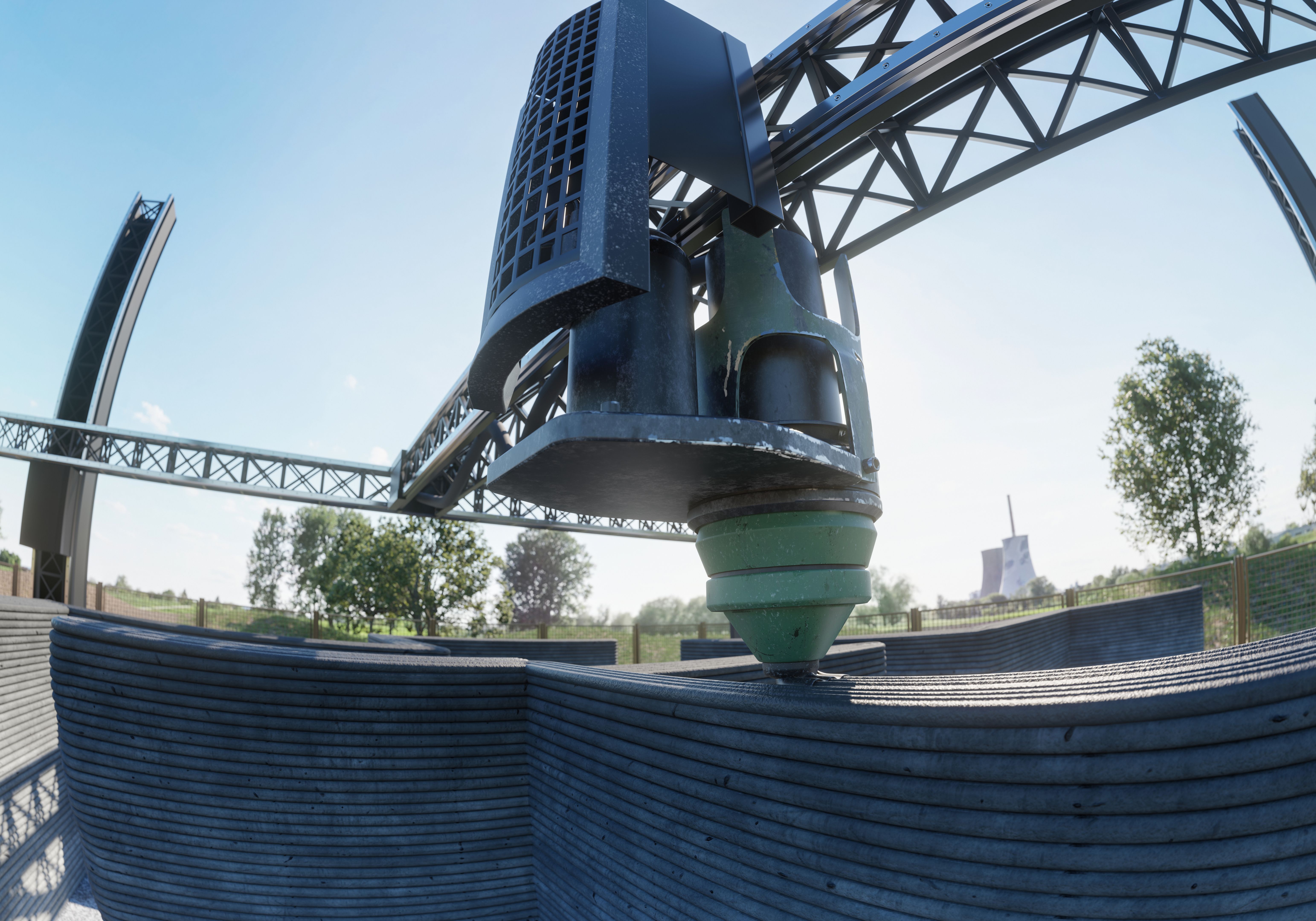
3D printing is another game-changer in the field. It allows for the rapid prototyping of structural components, reducing the time and cost associated with traditional construction methods. This technology is particularly beneficial for creating intricate designs that would be difficult to achieve through conventional means.
The Role of Artificial Intelligence
Artificial Intelligence (AI) is increasingly playing a role in structural engineering. From predictive analysis to automated design processes, AI can enhance accuracy and efficiency. By analyzing vast amounts of data, AI can help engineers anticipate potential issues before they arise, leading to safer and more reliable structures.
This technology also aids in optimizing resource allocation, ensuring projects are completed on time and within budget. As AI continues to evolve, its impact on structural engineering is expected to grow exponentially.
Conclusion: The Future of Structural Engineering
As we look to the future, the horizon for structural engineering is bright. The combination of advanced materials, innovative design techniques, and cutting-edge technologies promises to push the boundaries of what is possible. Engineers are not just building structures; they are creating the landmarks of the future.
By embracing these innovations, the field of structural engineering will continue to evolve, leading to more sustainable, efficient, and awe-inspiring structures around the world.