
Innovative Structural Engineering Practices for Coastal Environments


Understanding Coastal Challenges
Coastal environments present unique challenges for structural engineers. Factors such as erosion, saltwater corrosion, and extreme weather events like hurricanes and tsunamis require innovative solutions to ensure the longevity and safety of structures. As climate change continues to impact sea levels and weather patterns, the need for advanced engineering practices becomes increasingly critical.

Adapting to Climate Change
Climate change has escalated the frequency and intensity of storms, making it essential for engineers to design structures that can withstand such forces. Modern techniques involve using materials that resist corrosion and implementing design strategies that allow buildings to absorb and dissipate energy from wind and waves. These practices not only enhance durability but also improve the resilience of coastal communities.
Innovative Materials and Techniques
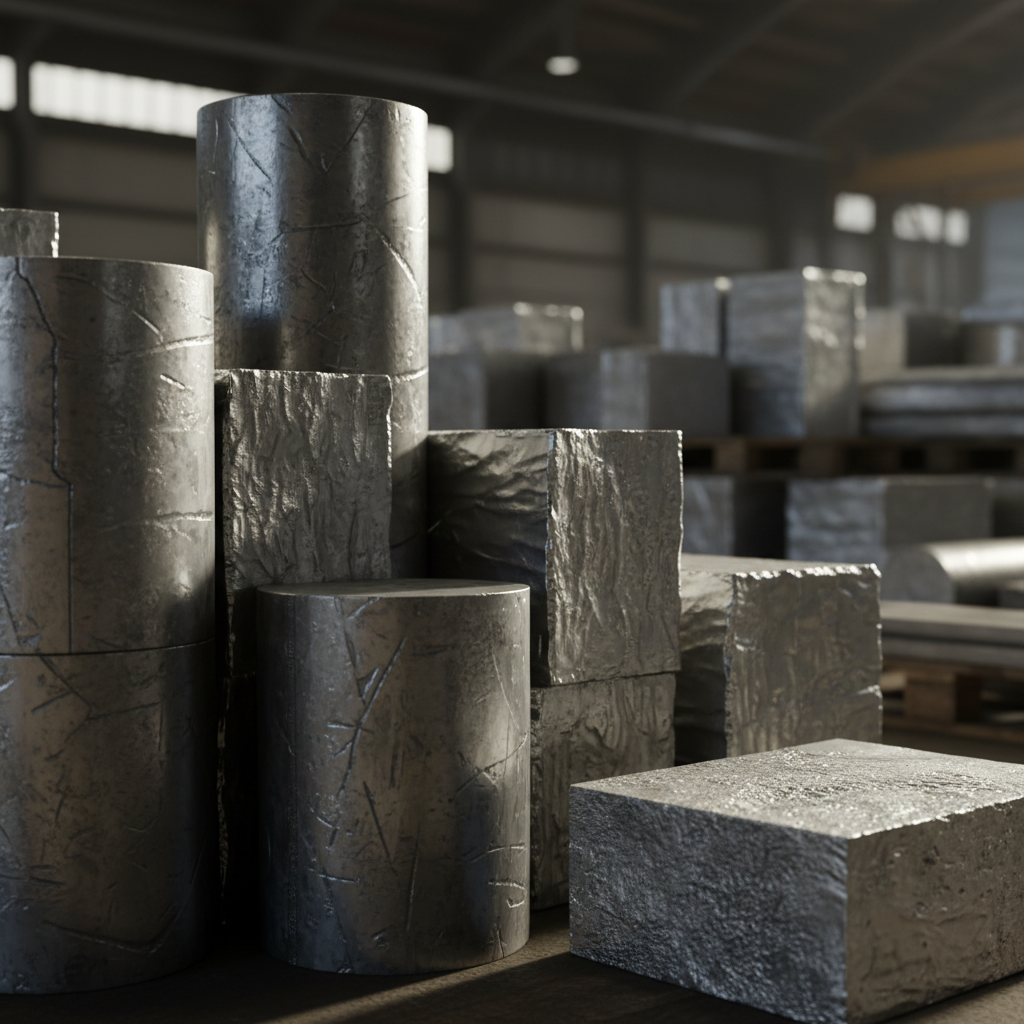
One of the most significant advancements in coastal engineering is the development of materials specifically designed to endure harsh marine environments. High-performance concrete, fiber-reinforced polymers, and stainless steel are just a few examples of materials that offer superior resistance to saltwater and humidity. Additionally, techniques such as floating foundations and flexible barriers are being explored to accommodate rising sea levels.
Sustainable Practices
Sustainability is at the forefront of innovative engineering practices. By integrating green technologies and sustainable materials, engineers can reduce the environmental impact of coastal developments. Utilizing renewable energy sources, like solar and wind, in building designs contributes to the sustainability of coastal structures.
Community Involvement and Education
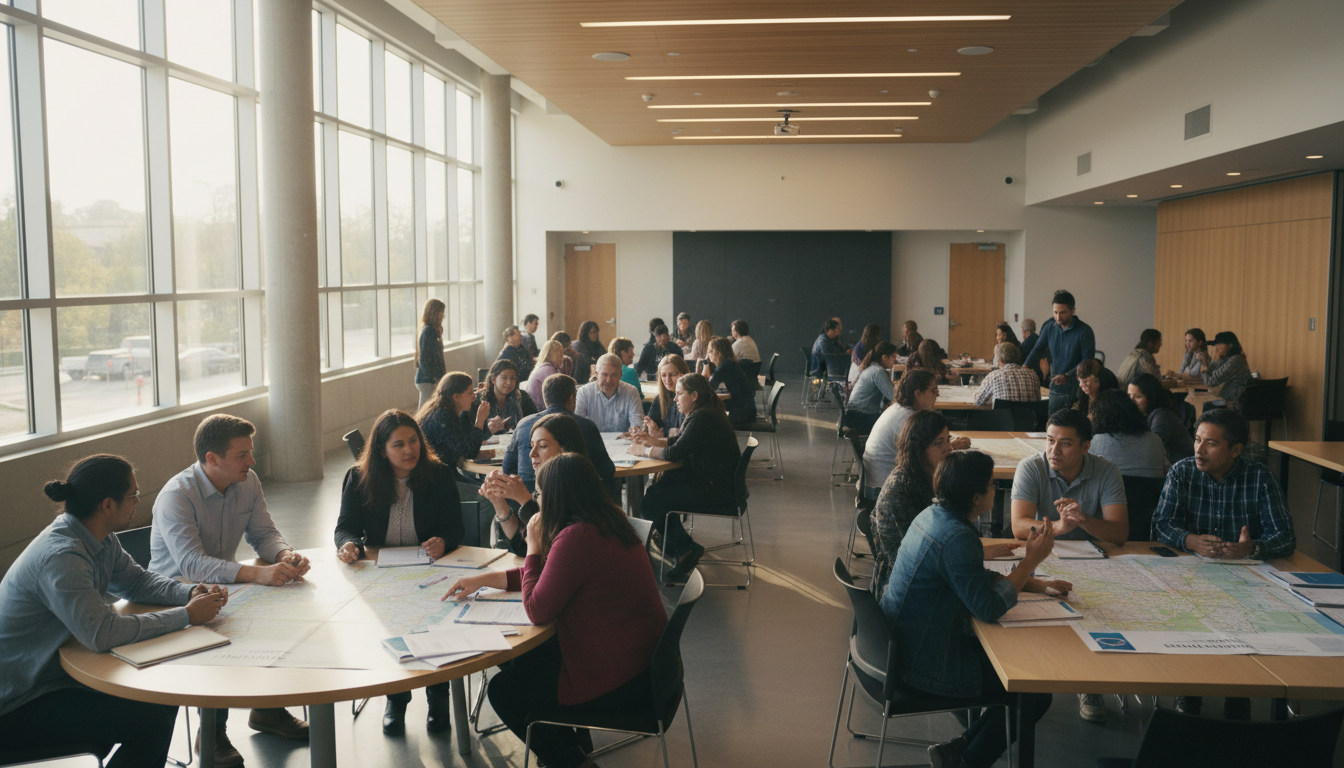
Incorporating community input and raising public awareness about coastal engineering is crucial for successful implementation. Educational programs and workshops can help communities understand the importance of structural innovations and how they contribute to safety and sustainability.
Case Studies of Success
Examining successful projects can provide valuable insights into effective engineering practices. For instance, the Netherlands' Delta Works project showcases how innovative engineering can protect against flooding. Similarly, the Thames Barrier in London exemplifies the use of movable structures to manage tidal surges.
The Future of Coastal Engineering
The future of coastal engineering lies in continuous innovation and adaptation. As technology advances, new materials and techniques will emerge, offering even more robust solutions to the challenges posed by coastal environments. Collaborative efforts between engineers, scientists, and policymakers will be essential in crafting sustainable, resilient coastal infrastructures.

In conclusion, innovative structural engineering practices are vital for addressing the complex challenges found in coastal environments. By leveraging advanced materials, sustainable designs, and community involvement, engineers can create structures that not only withstand environmental pressures but also contribute positively to the surrounding ecosystem.