Navigating Coastal Challenges: Innovations in Coastal Engineering


Understanding Coastal Challenges
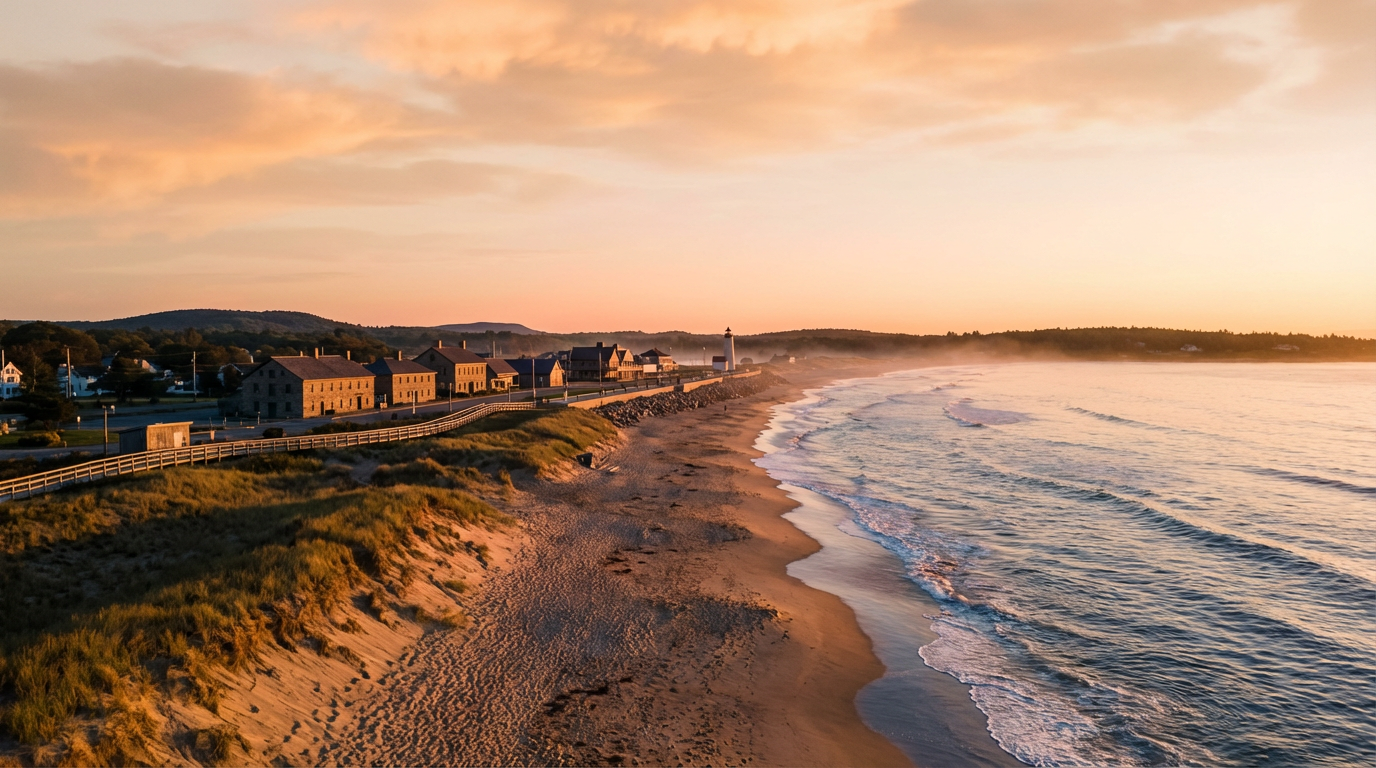
Coastal areas offer stunning beauty and abundant resources, but they are also subject to significant challenges. Erosion, rising sea levels, and extreme weather events pose serious threats to these environments. As populations in coastal regions continue to grow, the need for effective and sustainable coastal engineering solutions has never been more pressing.
Traditional methods of coastal defense, such as seawalls and groynes, have been effective to some extent. However, they often lead to unintended environmental consequences. The challenge lies in developing innovative solutions that balance human needs with environmental sustainability.

Innovative Approaches in Coastal Engineering
Living Shorelines
One of the most promising innovations is the development of living shorelines. Unlike traditional methods that rely on hard structures, living shorelines use natural materials like plants, sand, and rock to stabilize the coast. This approach not only reduces erosion but also enhances habitat for marine life.
Living shorelines are adaptable and can evolve over time, providing a dynamic solution to changing environmental conditions. They are increasingly being implemented as a preferred option for sustainable coastal management.

Hybrid Solutions
Hybrid solutions combine traditional engineering with nature-based approaches. By integrating structures like breakwaters with natural elements such as reefs or mangroves, these solutions offer enhanced protection while supporting biodiversity. This approach allows for greater flexibility and resilience in the face of climate change.
Hybrid solutions are gaining traction globally as they offer a balanced approach that leverages the strengths of both engineering and ecological systems.
Technological Innovations
Advanced Modeling and Simulation
Technological advancements in modeling and simulation have revolutionized coastal engineering. By using sophisticated software, engineers can predict the impact of different interventions and optimize designs for coastal protection. This capability allows for more precise planning and reduces the risk of unforeseen consequences.

Sustainable Materials
The use of sustainable materials is crucial in modern coastal engineering. Recycled materials, biodegradable products, and locally sourced resources are being used to reduce the environmental footprint of construction projects. These materials not only help in conserving resources but also enhance the longevity and effectiveness of coastal defenses.
The Future of Coastal Engineering
As climate change continues to influence coastal dynamics, the importance of innovative engineering solutions becomes even more critical. Continued research and collaboration among scientists, engineers, and policymakers are essential to developing strategies that protect coastal communities and ecosystems.
By embracing new technologies and sustainable practices, coastal engineering can offer solutions that are both effective and environmentally responsible, ensuring the resilience of our coastlines for future generations.