
Navigating the Coastal Engineering Landscape: A Guide for Professionals


Understanding the Basics of Coastal Engineering
Coastal engineering is a specialized field focusing on the design and construction of structures and systems that protect coastlines from erosion, flooding, and other environmental challenges. Professionals in this field must understand the dynamic interactions between the ocean, coastal structures, and the shoreline.
Key areas of expertise include hydrodynamics, sediment transport, and coastal morphology. These foundational elements help engineers develop effective solutions that balance human needs with environmental sustainability.

The Importance of Environmental Considerations
In coastal engineering, environmental considerations are paramount. Projects must be designed to minimize ecological impact while protecting human interests. This involves assessing the potential effects on local wildlife, vegetation, and water quality.
Professionals must also understand the implications of climate change, including sea-level rise and increased storm intensity. These factors necessitate adaptive design strategies that ensure long-term resilience.

Tools and Technologies
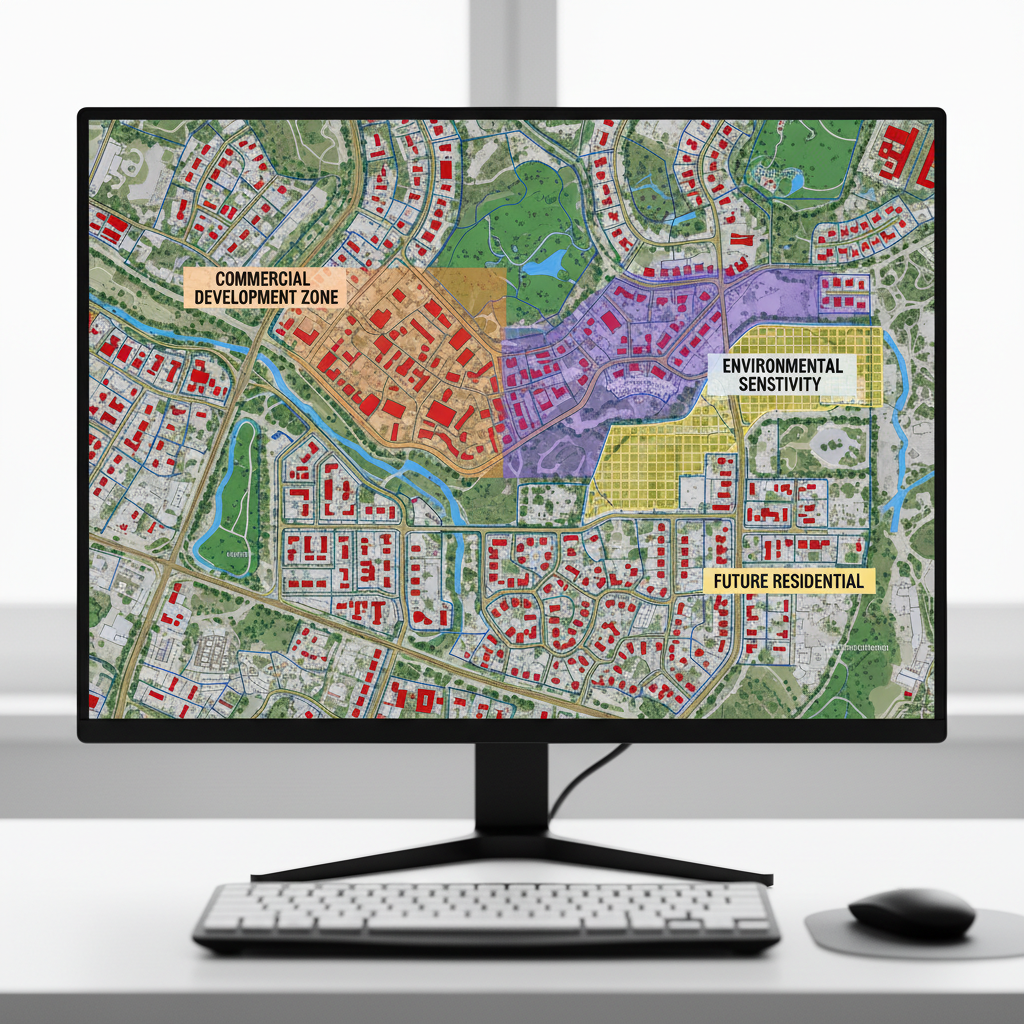
Advancements in technology have revolutionized coastal engineering. Tools like Geographic Information Systems (GIS), remote sensing, and computer modeling play a critical role in planning and decision-making.
These technologies enable engineers to simulate various scenarios and predict the outcomes of different design approaches. This predictive capability is crucial for optimizing project designs and reducing risks.
Regulatory and Legal Framework
Coastal engineering projects are subject to a complex web of regulations and legal requirements. Professionals must navigate local, national, and international laws governing coastal development.
Understanding these regulations is critical for ensuring compliance and avoiding potential legal challenges. Effective communication with regulatory bodies and stakeholders is also essential.
Collaboration and Multidisciplinary Approaches
Successful coastal engineering projects often require collaboration across various disciplines. Engineers, environmental scientists, urban planners, and policy makers must work together to create integrated solutions.
This multidisciplinary approach ensures that all aspects of coastal protection and development are considered, leading to more comprehensive and effective outcomes.

Challenges and Opportunities
Coastal engineers face numerous challenges, including limited resources, environmental constraints, and evolving regulatory landscapes. However, these challenges also present opportunities for innovation and sustainable development.
Embracing new materials, techniques, and technologies can lead to more resilient coastal infrastructure. By staying informed and adaptable, professionals can drive positive change in the field.
Continuing Education and Professional Development
The field of coastal engineering is constantly evolving. Continuous learning and professional development are essential for staying current with the latest trends and technologies.
Engaging in workshops, conferences, and online courses helps professionals expand their knowledge and skills, ensuring they remain competitive in this dynamic industry.

Conclusion
Navigating the coastal engineering landscape requires a deep understanding of both technical and environmental aspects. By embracing innovation, collaboration, and continuous learning, professionals can effectively address the challenges and opportunities in this vital field.
Ultimately, the goal is to create sustainable solutions that protect our coastlines and communities for generations to come.