Preparing for Seasonal Environmental Challenges: An Engineer’s Guide


Understanding Seasonal Environmental Challenges
As an engineer, preparing for seasonal environmental challenges is crucial to ensure the resilience and longevity of projects. Whether you're dealing with heavy rains, extreme temperatures, or high winds, understanding these challenges is the first step in effectively addressing them. By anticipating these changes, engineers can design and implement solutions that minimize potential damage and maintain operational efficiency.
One of the most significant challenges is the impact of weather on infrastructure. Seasonal variations can lead to structural stress, material degradation, and increased maintenance needs. Being proactive in addressing these issues can save time, money, and resources in the long run.

Analyzing Weather Patterns
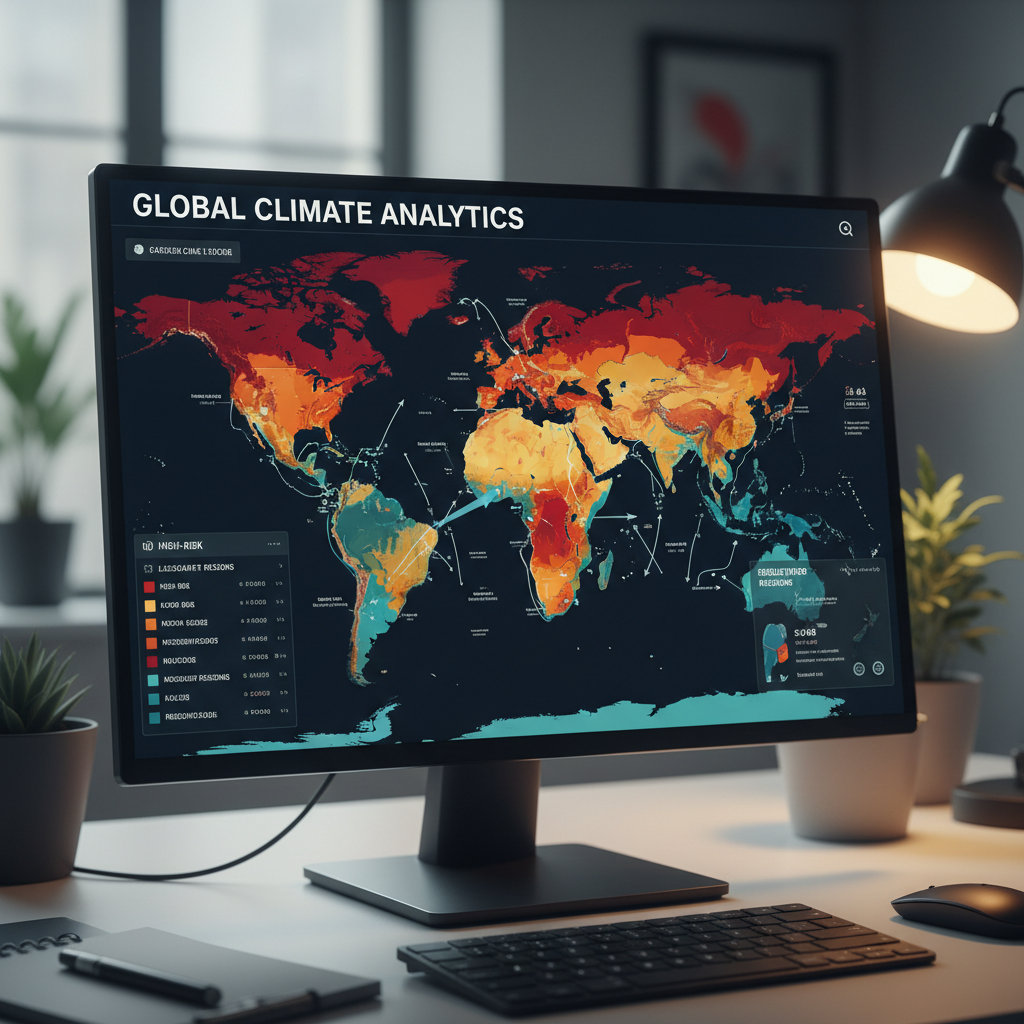
Engineers must analyze historical weather data to predict future patterns. This involves studying temperature fluctuations, precipitation levels, and wind speeds. Utilizing advanced tools and technologies, such as climate modeling software, can provide a comprehensive understanding of these patterns.
By integrating this data into the planning process, engineers can design structures that are more resilient to environmental stresses. For example, understanding the likelihood of flooding in a particular area can influence the design of drainage systems and foundation structures.
Materials and Design Considerations
Choosing the right materials is essential in combating seasonal challenges. Materials must be selected based on their ability to withstand specific environmental conditions. This includes selecting corrosion-resistant metals, UV-resistant coatings, and weatherproof sealants.
Design considerations also play a critical role. Engineers need to account for thermal expansion, potential ice formation, and other seasonal impacts. Implementing flexible design solutions can help accommodate these changes, ensuring the integrity and safety of the structure.

Implementing Preventive Maintenance
Preventive maintenance is a proactive approach to addressing seasonal challenges. Regular inspections and maintenance can help identify potential issues before they escalate. This includes checking for cracks, leaks, and wear in critical components.
Creating a maintenance schedule that aligns with seasonal changes ensures that systems are prepared for upcoming conditions. This can significantly reduce downtime and extend the lifespan of infrastructure.

Utilizing Technology and Innovation
Advancements in technology provide engineers with innovative tools to combat environmental challenges. The use of sensors, smart materials, and automation can greatly enhance the ability to monitor and respond to environmental changes.
For instance, installing sensors that monitor structural health can provide real-time data about stress and strain during extreme weather events. This allows for immediate action, reducing the risk of catastrophic failure.

Collaborating with Experts
Collaboration with environmental scientists, meteorologists, and other experts is invaluable. These professionals can offer insights that enhance the understanding of environmental impacts and aid in developing effective strategies.
By working together, engineers and experts can create comprehensive plans that address both immediate and long-term challenges, ensuring that infrastructure remains safe and functional throughout the seasons.