
Sustainable Engineering Practices for Coastal Environments


Understanding Coastal Environments
Coastal environments are unique ecosystems where the land meets the sea, characterized by their dynamic nature and diverse habitats. These areas are vital for biodiversity, human habitation, and economic activities such as tourism and fishing. However, they are also vulnerable to environmental changes and human activities.
As populations grow and climate change impacts become more pronounced, it's crucial to adopt sustainable engineering practices to protect these sensitive areas. By integrating sustainable methods, we can safeguard coastal regions for future generations while maintaining their ecological integrity.
Key Principles of Sustainable Engineering
Sustainable engineering in coastal environments focuses on minimizing environmental impacts while enhancing the resilience of coastal systems. Key principles include:
- Environmental preservation: Projects should aim to preserve natural habitats and biodiversity.
- Resource efficiency: Efficient use of materials and energy resources reduces waste and ecological footprints.
- Community involvement: Engaging local communities ensures that projects meet both ecological and social needs.
Innovative Techniques in Coastal Engineering
Several innovative techniques are being employed to promote sustainability in coastal engineering. These include:
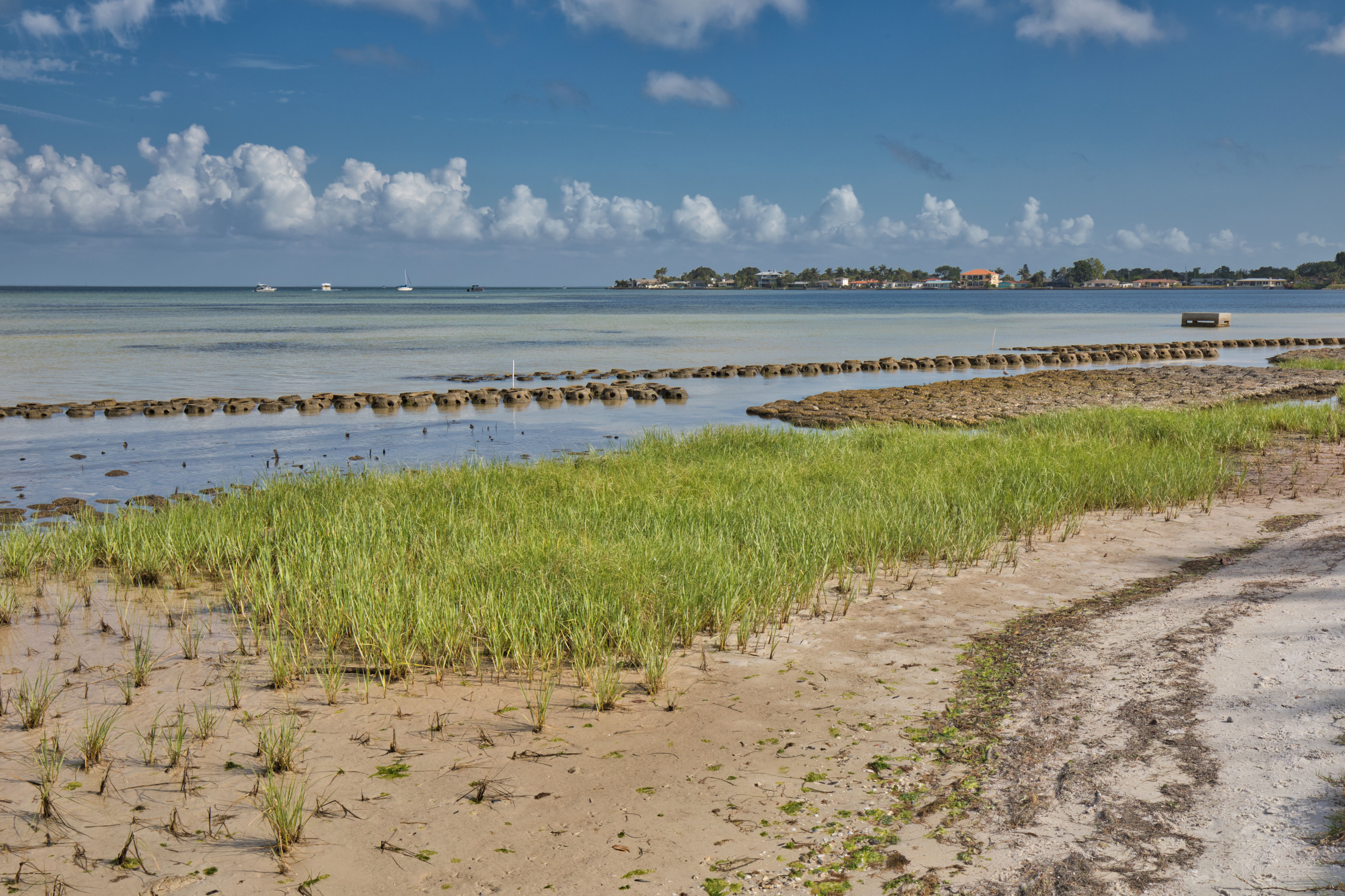
- Living shorelines: Utilizing natural elements like plants, sand, and rock to stabilize shorelines and provide habitat for wildlife.
- Green infrastructure: Implementing structures that mimic natural processes, such as permeable pavements and bioswales, to manage stormwater and reduce erosion.

The Role of Technology
Technology plays a significant role in advancing sustainable practices in coastal engineering. Tools such as Geographic Information Systems (GIS) and remote sensing allow for precise monitoring and analysis of coastal changes, helping engineers make informed decisions.
Furthermore, the development of new materials and construction methods is reducing the environmental impact of coastal development. For example, using recycled materials and low-impact construction techniques can significantly lower the carbon footprint of engineering projects.
Challenges and Opportunities
While sustainable engineering offers many benefits, it also presents challenges. Balancing economic development with environmental protection requires careful planning and regulation. Additionally, the varying needs and priorities of different stakeholders can complicate project implementation.

Despite these challenges, the push for sustainability presents numerous opportunities. By investing in research and innovation, coastal engineering can lead to new economic opportunities, such as eco-tourism and renewable energy projects. These efforts contribute to a more resilient and prosperous coastal environment.
Conclusion
Sustainable engineering practices are essential for the long-term health and viability of coastal environments. By integrating ecological principles, leveraging technology, and involving local communities, we can create solutions that protect these areas while supporting human needs. As we move forward, continued commitment to sustainability will be crucial in facing the challenges of a changing world.