
Sustainable Engineering Practices for Coastal Environments


Introduction to Sustainable Engineering
As climate change and environmental degradation continue to challenge our world, sustainable engineering practices have become crucial, especially in coastal environments. These areas are uniquely vulnerable to rising sea levels, erosion, and extreme weather events. Sustainable engineering seeks to minimize environmental impact while ensuring the resilience and adaptability of infrastructure.
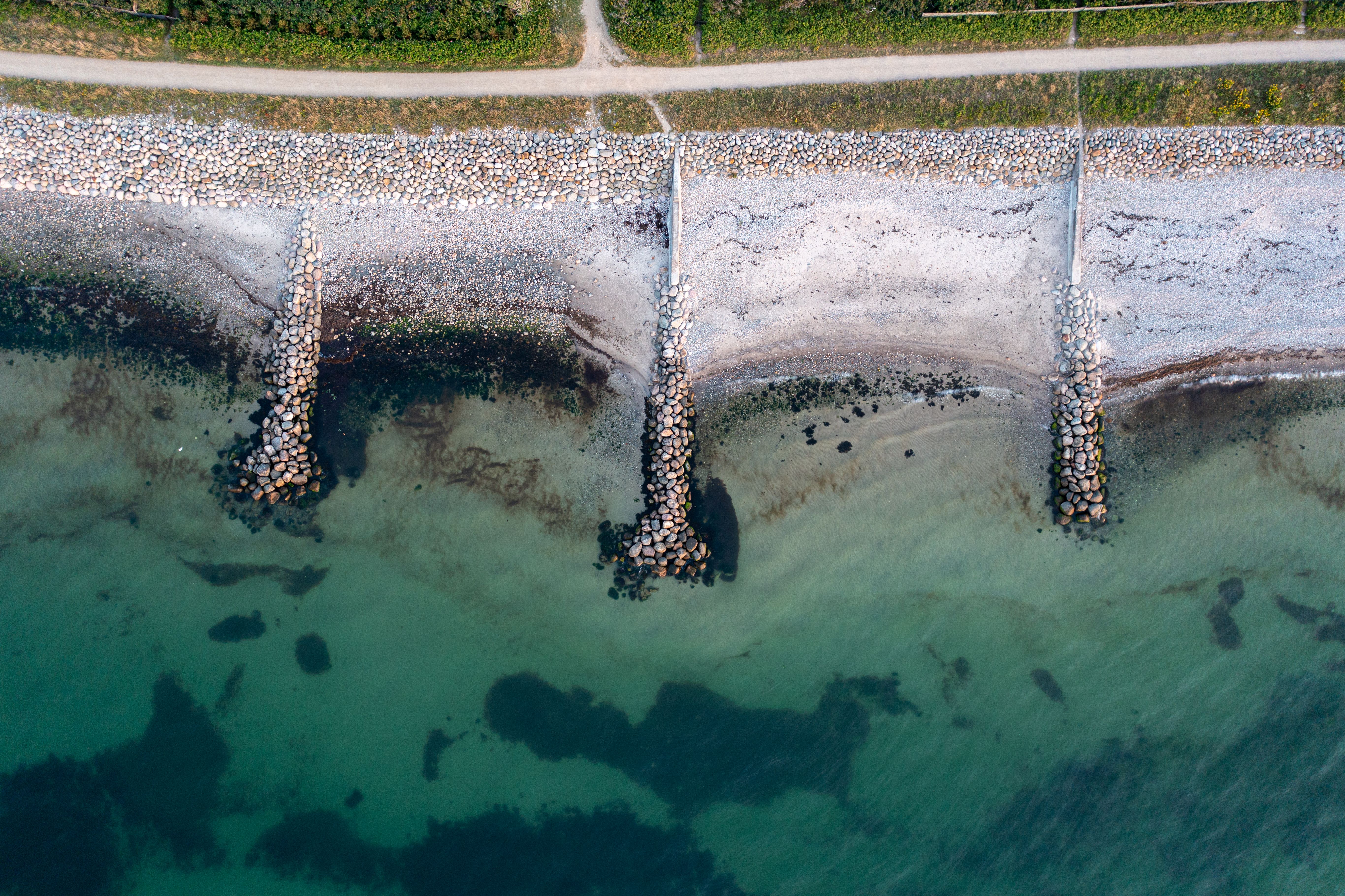
Principles of Sustainable Coastal Engineering
Sustainable coastal engineering focuses on balancing human needs with environmental stewardship. Key principles include minimizing disruption to natural habitats, using renewable energy sources, and emphasizing long-term resilience. These principles guide engineers in creating solutions that protect both human communities and fragile ecosystems.
Implementing sustainable practices often involves:
- Using eco-friendly materials
- Incorporating natural barriers like mangroves
- Designing with climate adaptability in mind
Eco-Friendly Materials
Traditional construction materials can have significant environmental impacts. Sustainable engineering practices encourage the use of eco-friendly alternatives, such as recycled materials or those with a lower carbon footprint. These materials help reduce waste and conserve resources.

Natural Barriers and Ecosystem Integration
Incorporating natural barriers is a key strategy in sustainable coastal engineering. Mangroves, dunes, and coral reefs act as natural defenses against storm surges and erosion. Engineers work to integrate these ecosystems into their designs, enhancing both natural and human-made structures.
By restoring and preserving these natural barriers, we can protect coastal areas while supporting biodiversity. This approach not only safeguards infrastructure but also enriches local habitats.
Climate Adaptability
Climate change poses significant risks to coastal environments. Engineers must anticipate future conditions and design adaptable solutions. This involves creating structures that can withstand extreme weather and rising sea levels, ensuring long-term sustainability.

Innovative Technologies in Coastal Engineering
Advancements in technology are driving sustainable practices in coastal engineering. From drones for monitoring coastal erosion to AI models predicting climate impacts, technology plays a crucial role. These innovations enable more precise and efficient solutions, reducing risks and enhancing sustainability.
Smart infrastructure, equipped with sensors and IoT devices, helps monitor environmental changes in real-time, allowing for proactive responses to potential threats.
Community Involvement and Education
Sustainable engineering is not just about technology and design; it also involves community engagement. Educating local communities about sustainable practices ensures their participation and support. Informed communities can contribute to maintaining and protecting their environment, creating a collaborative effort towards sustainability.

Conclusion
Sustainable engineering practices are essential for protecting coastal environments from the challenges of climate change and human impact. By prioritizing eco-friendly materials, integrating natural barriers, designing adaptable solutions, and engaging communities, we can build resilient coastal areas that thrive alongside their ecosystems. As we look to the future, innovative technologies and collaborative efforts will continue to play a pivotal role in achieving these goals.