
Sustainable Engineering Practices for Coastal Environments


Understanding the Need for Sustainable Engineering in Coastal Areas
Sustainable engineering practices are crucial for maintaining the delicate balance of coastal environments. These areas face unique challenges due to their proximity to the ocean, including erosion, extreme weather events, and rising sea levels. By adopting sustainable methods, engineers can help protect these vital ecosystems while supporting human development.
Key Principles of Sustainable Coastal Engineering
At the heart of sustainable coastal engineering is the principle of minimizing environmental impact. This involves using materials and techniques that are eco-friendly and promote the natural resilience of coastal ecosystems. Key strategies include the use of renewable energy sources, biodegradable materials, and designs that work with natural processes rather than against them.
Another important aspect is community involvement. Engaging local communities in the planning and implementation of engineering projects ensures that developments meet the needs of those who live there while respecting local knowledge and values.
Innovative Techniques and Materials
The use of innovative materials is transforming coastal engineering. For instance, bio-based materials, such as those derived from seaweed, offer sustainable alternatives to traditional construction materials. These materials are not only environmentally friendly but also enhance the resilience of structures against harsh coastal conditions.

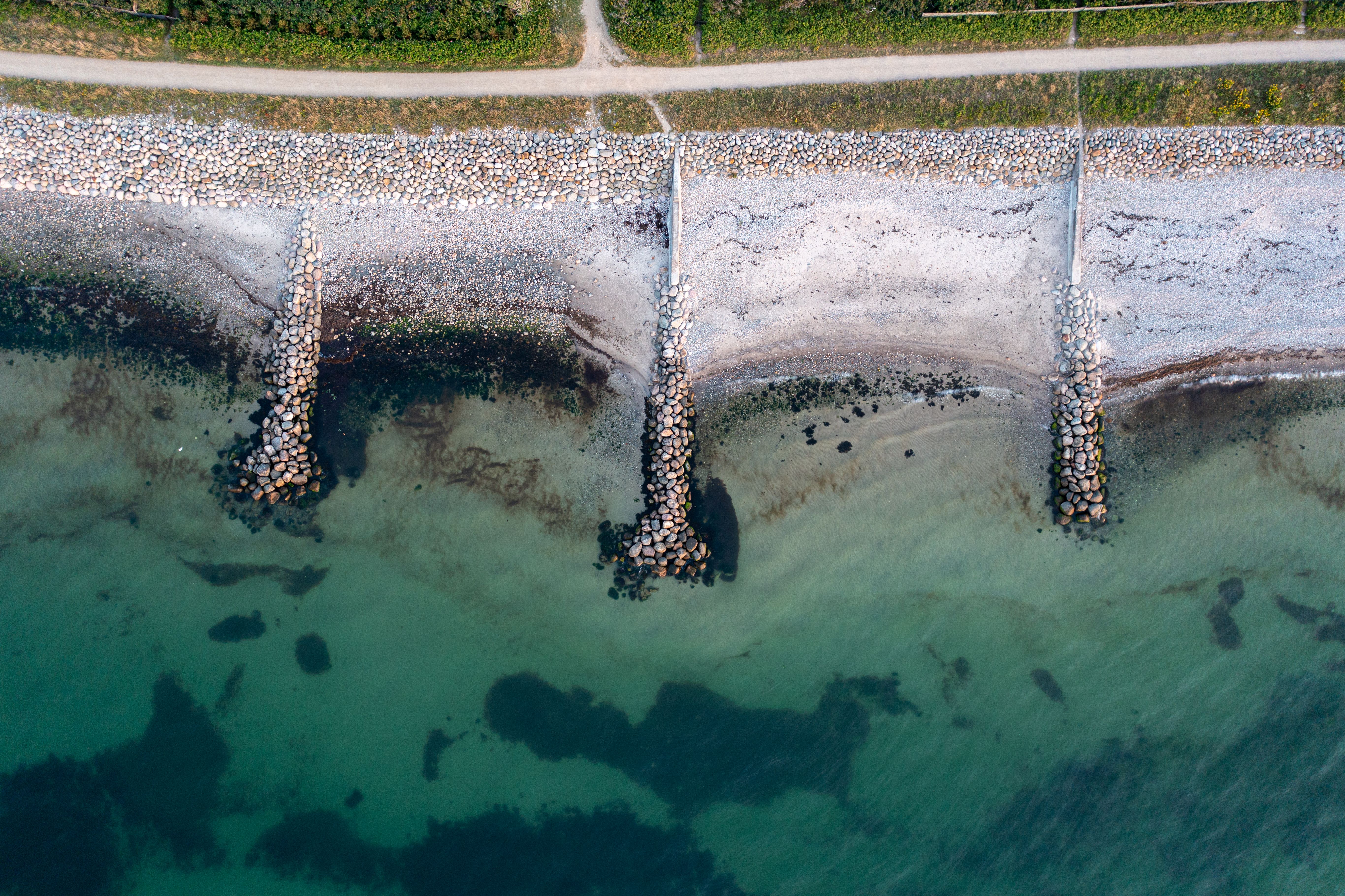
Additionally, techniques like living shorelines, which incorporate natural elements such as plants and sand, help stabilize coastal areas while providing habitats for wildlife. This approach contrasts with conventional methods, which often rely on hard structures like seawalls that can disrupt natural processes.
Case Studies of Successful Projects
Several projects worldwide have successfully implemented sustainable coastal engineering practices. For example, the restoration of salt marshes in certain regions has proven effective in reducing erosion and providing natural flood defense. These projects highlight how sustainable approaches can deliver tangible environmental and social benefits.
Challenges and Future Directions
Despite the promising advancements, there are challenges in adopting sustainable practices on a larger scale. These include financial constraints, regulatory hurdles, and the need for ongoing research and innovation. Collaboration between governments, private sectors, and communities is essential to overcoming these barriers.

Looking to the future, the integration of technology, such as remote sensing and data analytics, holds promise for enhancing the effectiveness and efficiency of coastal engineering projects. These tools can provide real-time insights and enable adaptive management strategies.
Conclusion
The shift towards sustainable engineering practices in coastal environments is not just a necessity but an opportunity to create resilient and thriving coastal communities. By prioritizing eco-friendly materials, community involvement, and innovative techniques, we can ensure the protection and preservation of these vital ecosystems for generations to come.