
Sustainable Engineering Practices for Coastal Environments


Understanding Sustainable Engineering
Sustainable engineering practices are gaining momentum as the world seeks to balance development with environmental preservation. This is especially crucial in coastal environments, where ecosystems are particularly sensitive. By integrating sustainability into engineering, we can ensure that development is both productive and protective of natural resources.
Coastal areas are not only home to diverse ecosystems but also crucial to human activities like tourism, fishing, and transportation. Sustainable engineering in these regions involves creating solutions that minimize environmental impact while supporting economic growth.

Incorporating Eco-friendly Materials
One of the most effective ways to practice sustainable engineering is by using eco-friendly materials. These materials are often renewable, recycled, or have a low environmental footprint. For example, instead of traditional concrete, engineers might use geopolymers or recycled aggregates that require less energy to produce.
Using materials that are locally sourced can also significantly reduce the carbon footprint associated with transportation. This approach not only supports local economies but also reduces the overall environmental impact of construction projects.

Protecting and Restoring Natural Habitats
Coastal engineering projects often impact natural habitats. Therefore, it is essential to incorporate strategies that protect and restore these environments. This may involve the creation of artificial reefs or the restoration of mangroves, which act as natural barriers against erosion and storm surges.
Restoration projects can also enhance biodiversity, providing habitats for various marine and terrestrial species. By focusing on habitat protection, engineers can mitigate the adverse effects of development on coastal ecosystems.
Implementing Green Infrastructure
Green infrastructure is a sustainable approach that involves using natural systems to address environmental challenges. In coastal areas, this can include the construction of permeable pavements, green roofs, and bio-retention systems. These features help manage stormwater, reduce flooding, and improve water quality.
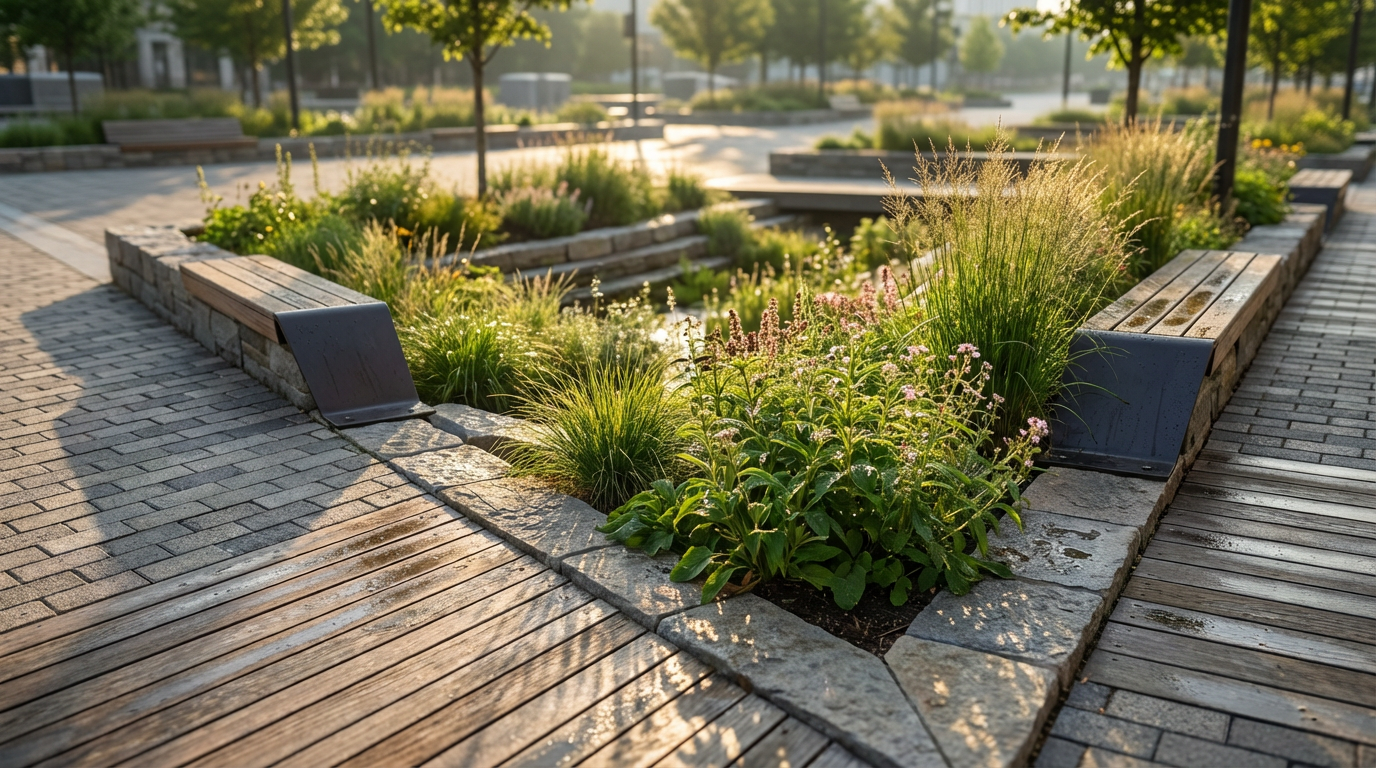
By mimicking natural processes, green infrastructure solutions provide cost-effective and resilient ways to enhance the sustainability of coastal developments. These systems are designed to adapt to changing environmental conditions, making them a crucial part of sustainable engineering practices.
Community Involvement and Education
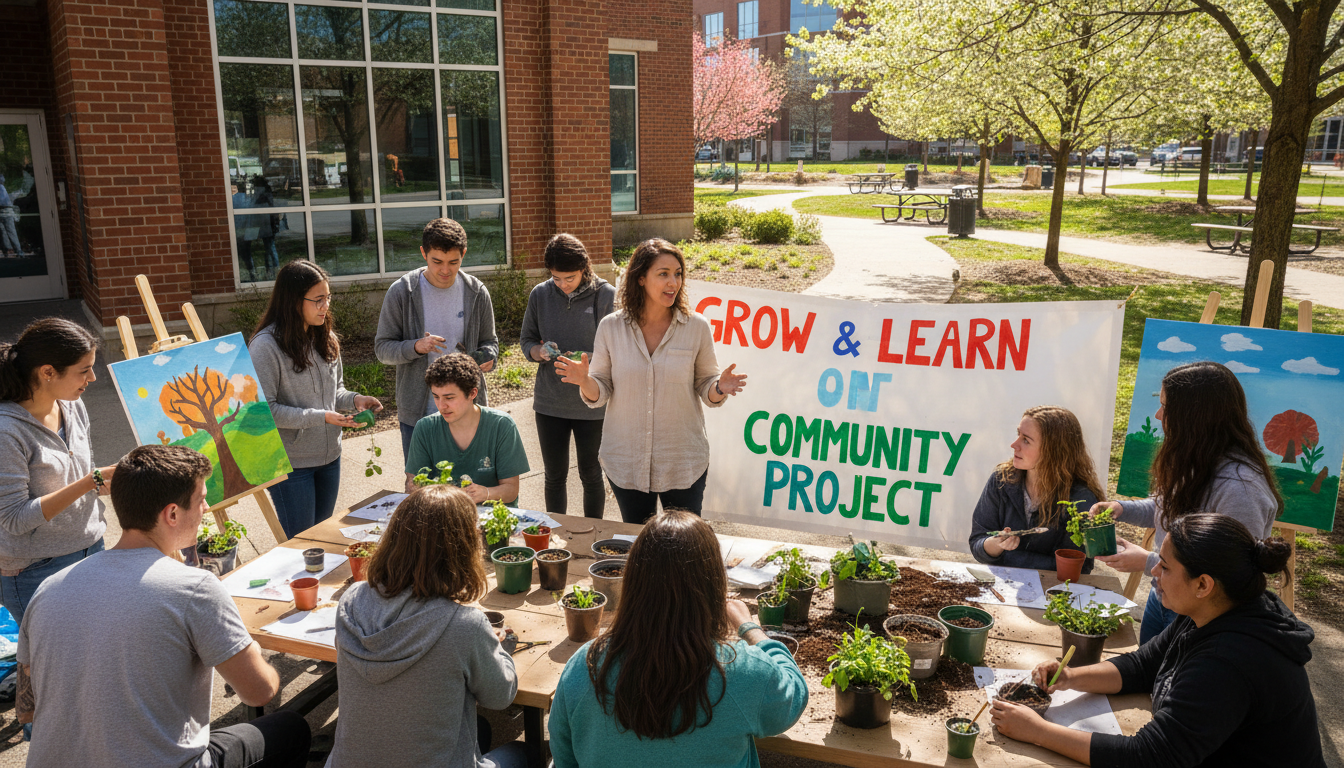
Engaging local communities in sustainable engineering projects is vital for success. By involving community members in planning and decision-making, engineers can ensure that projects meet the needs of those who live and work in coastal areas.
Education is also a key component, as it raises awareness about the importance of sustainable practices and encourages local stewardship of natural resources. Workshops, seminars, and educational campaigns can empower communities to support and sustain these initiatives.
By prioritizing sustainable engineering practices, we can create coastal environments that thrive both ecologically and economically, ensuring a brighter future for generations to come.