
Sustainable Engineering Practices for Coastal Environments


Introduction to Sustainable Engineering
As coastal regions face increasing environmental pressures, sustainable engineering practices have emerged as essential tools for preserving these fragile ecosystems. Engineers are now more focused than ever on integrating eco-friendly solutions that not only protect but also enhance coastal environments.

Understanding Coastal Challenges
Coastal areas are uniquely vulnerable to challenges such as rising sea levels, erosion, and habitat degradation. These issues necessitate innovative approaches that balance human activity with environmental preservation. Understanding these challenges is the first step towards effective sustainable engineering.
Engineers must consider several factors, including **climatic changes**, **biodiversity**, and **community impact**. By doing so, they can develop strategies that are both resilient and adaptive to future changes.
Impact of Rising Sea Levels
One of the most pressing issues is rising sea levels, which threaten to inundate coastal communities and ecosystems. Sustainable engineering practices aim to mitigate these impacts through the design of adaptive structures and natural barriers.

Innovative Engineering Solutions
Innovation in engineering has led to the development of various sustainable solutions. These include the use of **green infrastructure**, such as wetlands and mangroves, to serve as natural buffers against storm surges and erosion.
Additionally, the implementation of **living shorelines** is gaining popularity. Unlike traditional hard structures, living shorelines use natural elements to stabilize the coast, promoting habitat growth and improving water quality.
Case Studies in Success
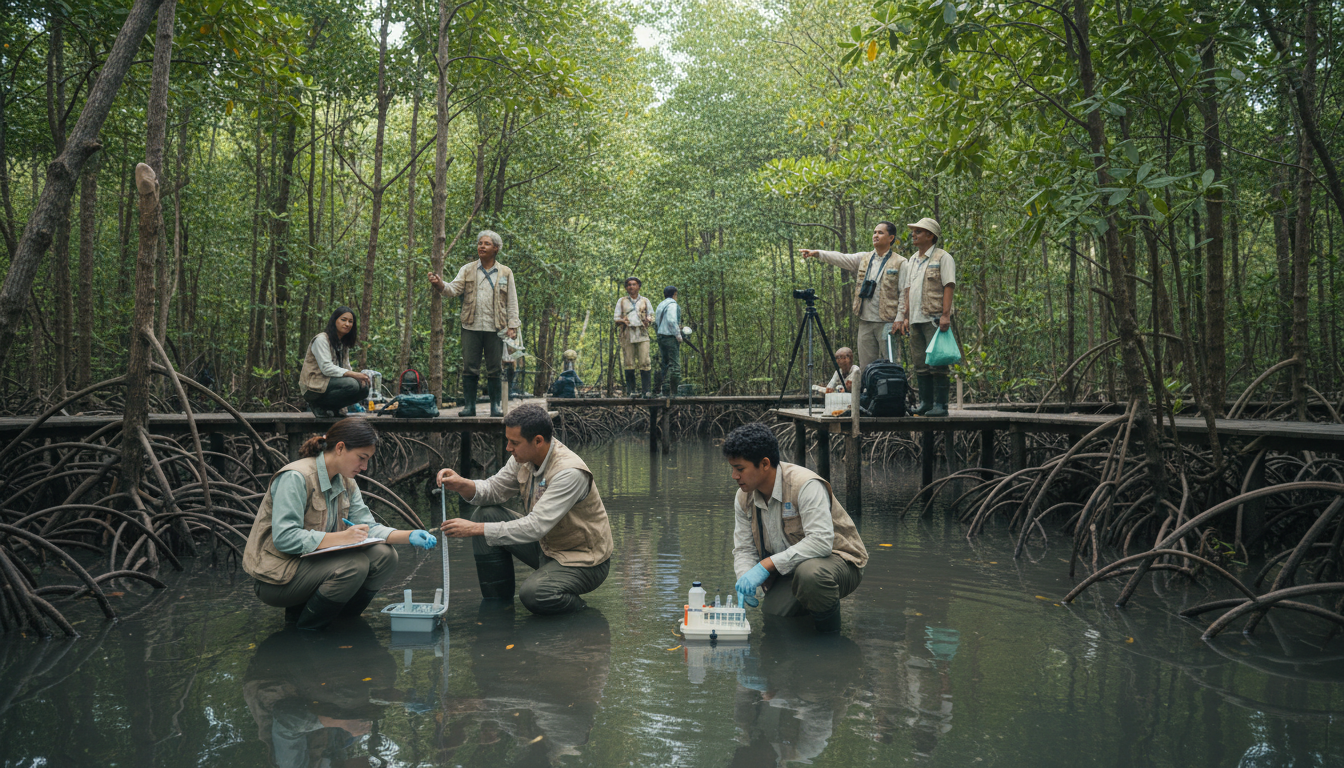
Several coastal regions worldwide have successfully implemented sustainable engineering practices. For instance, projects that restore mangrove forests not only protect shorelines but also enhance local biodiversity, offering a habitat for various marine species.
Community Involvement and Education
Sustainable engineering is not solely the domain of engineers and scientists. Community involvement is crucial to the success of these projects. Educating local populations about the benefits of sustainable practices can foster greater support and participation.
Workshops and collaborations with local stakeholders ensure that the solutions are tailored to the specific needs and characteristics of the area, leading to more effective outcomes.
The Role of Policy and Regulation
Government policies and regulations play a significant role in promoting sustainable engineering practices. By enforcing standards and providing incentives, policymakers can drive the adoption of eco-friendly solutions in coastal development projects.
Ultimately, a combination of **engineering innovation**, **community engagement**, and **supportive policies** will be key to protecting our coastal environments for future generations.
