
The Role of Structural Engineering in Coastal Environments


Understanding the Importance of Structural Engineering in Coastal Areas
Coastal environments are dynamic and complex, presenting unique challenges for structural engineering. The interplay of natural forces such as tides, waves, and storms demands meticulous planning and innovative solutions. In these areas, the role of structural engineering is not just about building structures but also about ensuring their longevity and resilience.

Challenges Faced in Coastal Engineering
One of the primary challenges in coastal engineering is dealing with erosion. Coastal erosion can undermine structures, leading to significant damage over time. Engineers must consider the natural shifting of sands and sediments when designing foundations and support systems. Additionally, the corrosive nature of saltwater can deteriorate materials, necessitating the use of specialized, durable materials.
Another significant challenge is the risk of flooding and storm surges. Coastal areas are often prone to extreme weather events, requiring structures to be designed to withstand high winds and water levels. This involves not only robust construction techniques but also strategic planning regarding location and orientation.
Innovative Solutions in Coastal Structural Engineering
To address these challenges, structural engineers are employing a variety of innovative solutions. One such approach is the use of geotextiles—permeable fabrics that reinforce the soil and promote stability. These materials help manage erosion while supporting plant growth for natural reinforcement. Additionally, engineers are exploring the use of composite materials that resist corrosion better than traditional options.
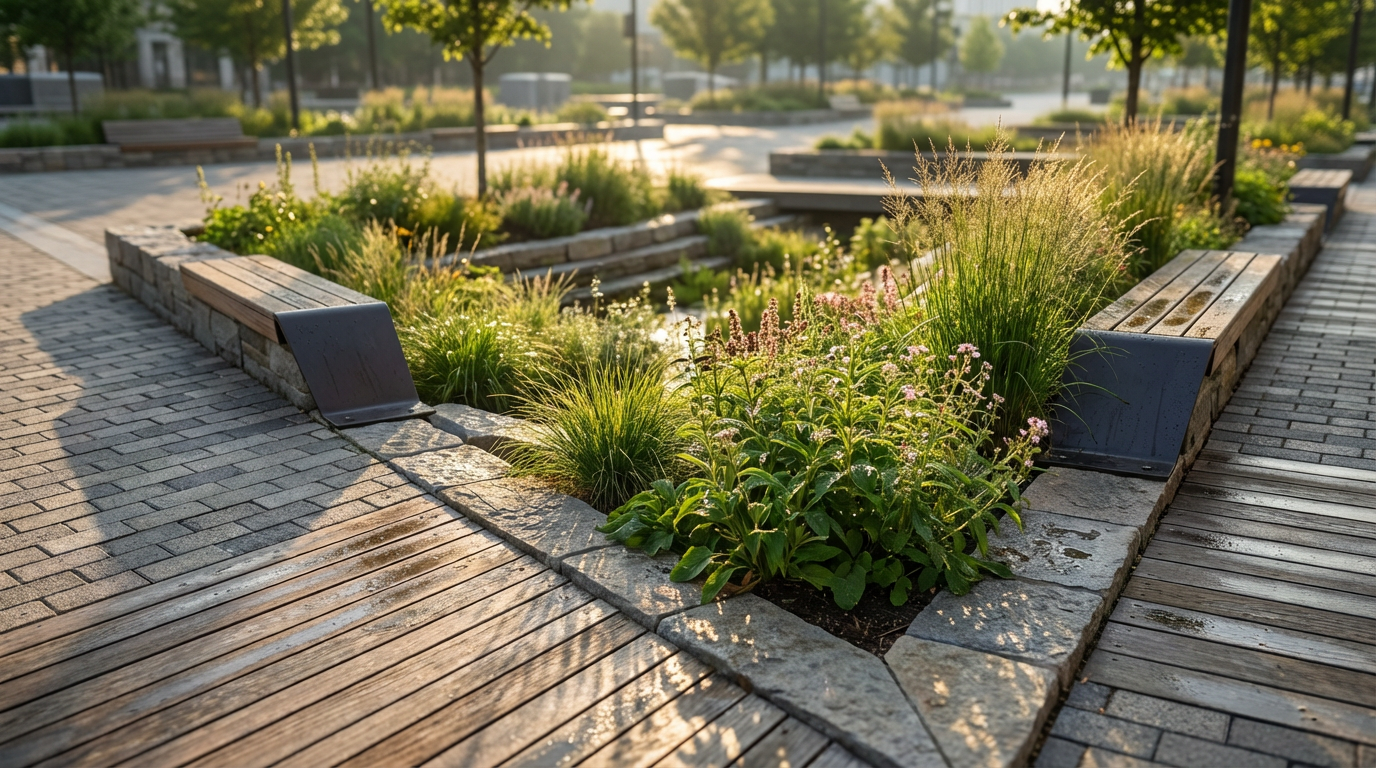
Another innovation is the implementation of green infrastructure solutions. By integrating natural elements like mangroves or artificial reefs, engineers can create barriers that reduce wave energy and protect coastlines. These solutions not only safeguard structures but also enhance the local environment and biodiversity.
The Role of Technology in Coastal Engineering
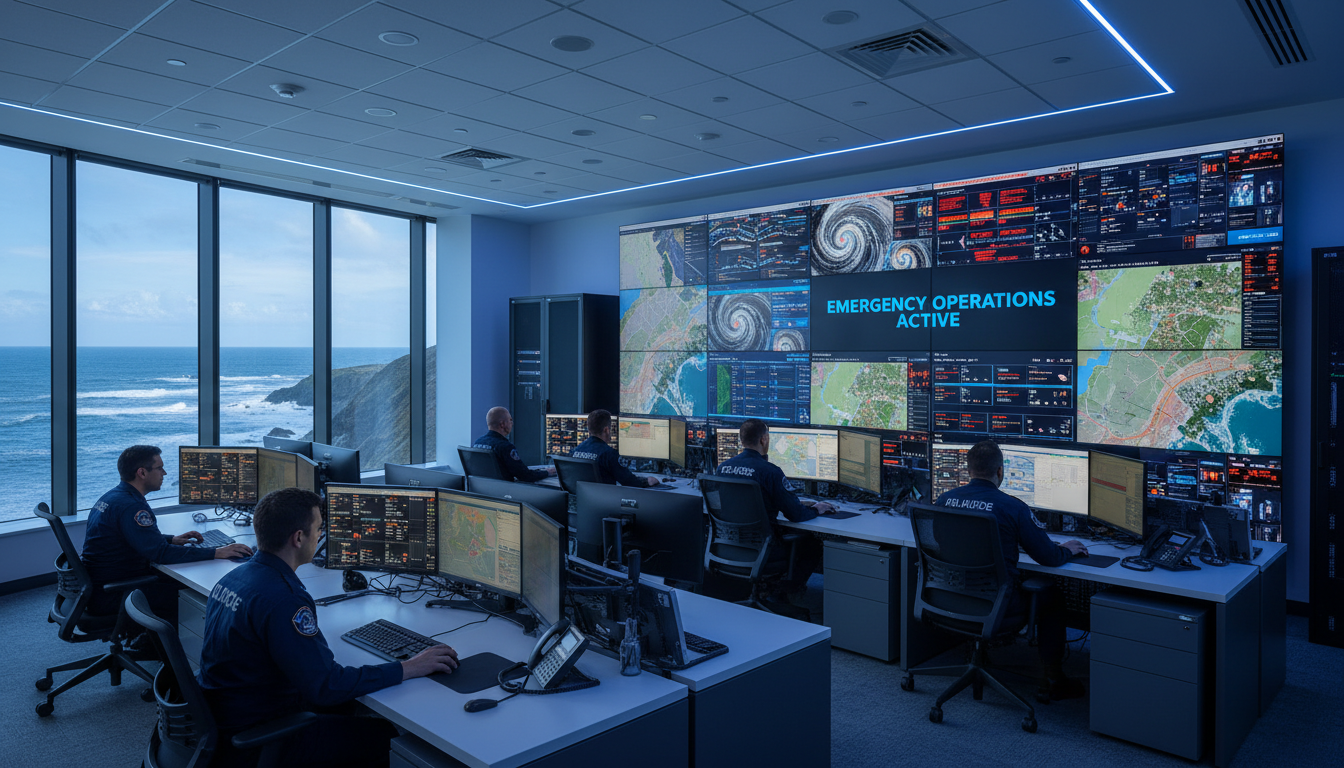
Modern technology plays a crucial role in advancing coastal engineering. Advanced modeling software enables engineers to simulate environmental conditions and predict the impact on structures. This allows for better planning and optimization of designs to ensure they can withstand the harsh coastal conditions.
Furthermore, the use of drones and remote sensing technology provides accurate and timely data on coastal changes. This information is essential for monitoring erosion patterns and assessing the health of coastal ecosystems, allowing for proactive adjustments to engineering strategies.
Future Directions and Sustainability
As we look to the future, the focus on sustainability in coastal engineering is becoming more pronounced. Engineers are increasingly prioritizing designs that minimize environmental impact and support the resilience of natural ecosystems. Sustainable materials, energy-efficient designs, and adaptive infrastructure are central to these efforts.
Moreover, community involvement and collaboration with environmental scientists are crucial for the success of coastal projects. By integrating local knowledge and respecting ecological balance, engineers can create structures that not only serve human needs but also preserve the natural beauty and functionality of coastal environments.

In conclusion, structural engineering in coastal environments is a field that requires a blend of technical expertise, innovative thinking, and environmental stewardship. By understanding and addressing the unique challenges of these areas, engineers can create resilient and sustainable solutions that protect both human structures and natural habitats.