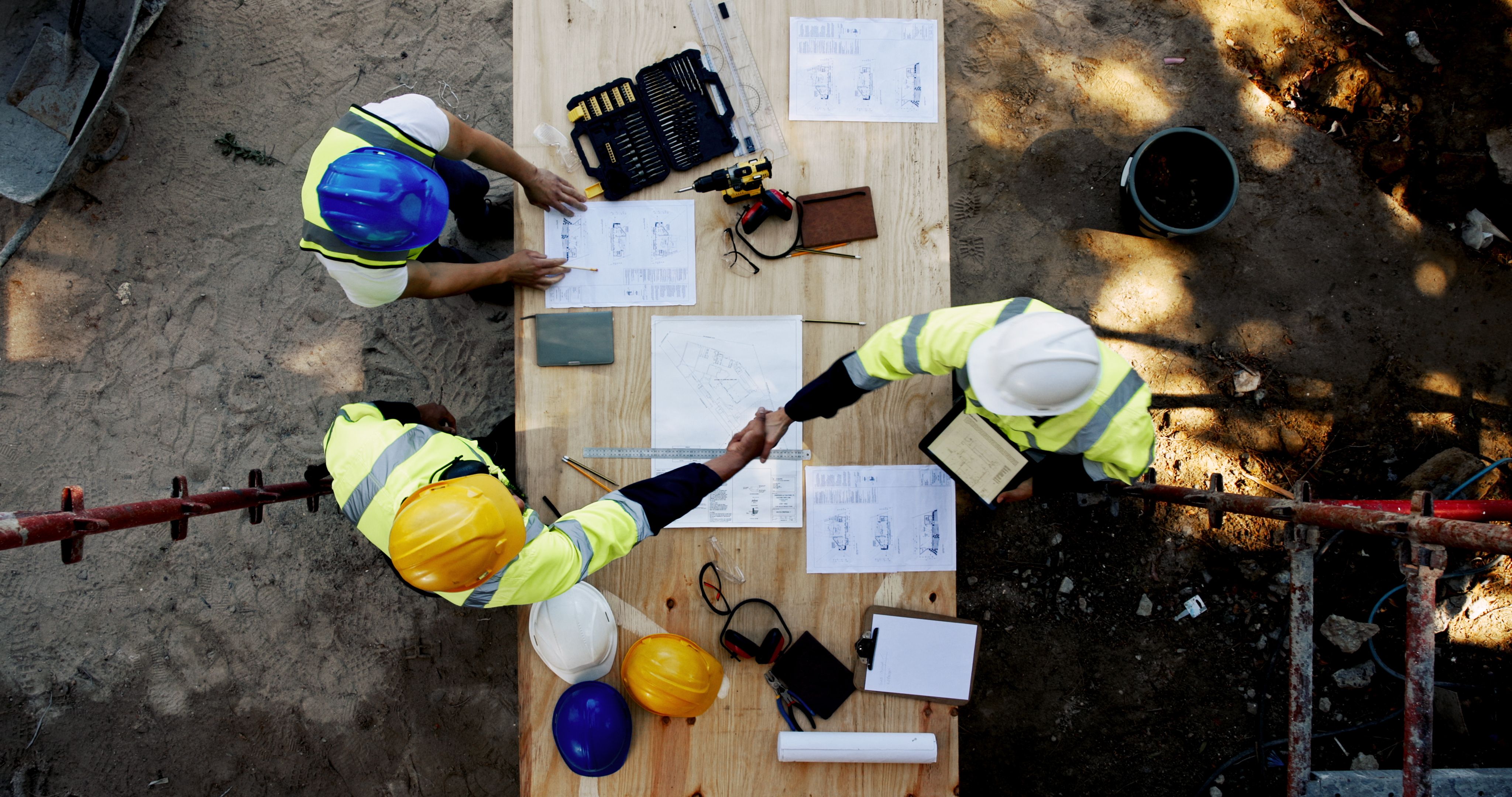
The Role of Structural Engineering in Sustainable Development


Introduction to Structural Engineering and Sustainability
Structural engineering plays a crucial role in the development of sustainable infrastructure. As the world faces increasing environmental challenges, the demand for eco-friendly construction practices is higher than ever. Structural engineers are at the forefront of this movement, designing buildings and structures that minimize environmental impact while maximizing efficiency.

The Importance of Sustainable Design
Incorporating sustainability into structural engineering involves using materials and techniques that reduce carbon footprints. This includes selecting materials that are not only durable but also recyclable and energy-efficient. Engineers also focus on optimizing natural resources, such as sunlight and wind, to create energy-efficient buildings.
Innovative Materials and Techniques
Advancements in technology have led to the development of innovative materials such as cross-laminated timber and recycled steel. These materials offer strength and sustainability, making them ideal for modern construction projects. Furthermore, techniques like green roofs and rainwater harvesting systems are becoming more prevalent in sustainable design.

Structural Engineering and Renewable Energy
Renewable energy sources are integral to sustainable development. Structural engineers design support systems for solar panels and wind turbines, ensuring they are both efficient and aesthetically pleasing. By integrating these technologies into buildings, engineers help reduce reliance on non-renewable energy sources.
Challenges and Solutions
While the benefits of sustainable structural engineering are clear, there are challenges to overcome. These include higher initial costs and the need for specialized knowledge. However, the long-term savings and environmental benefits often outweigh these initial hurdles.

The Future of Structural Engineering
As technology continues to evolve, the role of structural engineers in sustainable development will expand. Innovations such as 3D printing and smart materials are expected to revolutionize the industry, offering new ways to create eco-friendly structures.
Global Impact and Collaboration
Sustainable structural engineering is not just a local concern but a global one. Engineers worldwide are collaborating to share knowledge and develop standards that promote sustainability. This global effort is crucial in addressing climate change and ensuring a sustainable future for the next generations.
In conclusion, structural engineering is pivotal in shaping a sustainable future. By embracing innovative materials, techniques, and technologies, engineers can create structures that are both resilient and environmentally friendly, paving the way for a more sustainable world.