
Understanding Regional Regulations in Coastal Engineering Projects


Understanding Regional Regulations in Coastal Engineering Projects
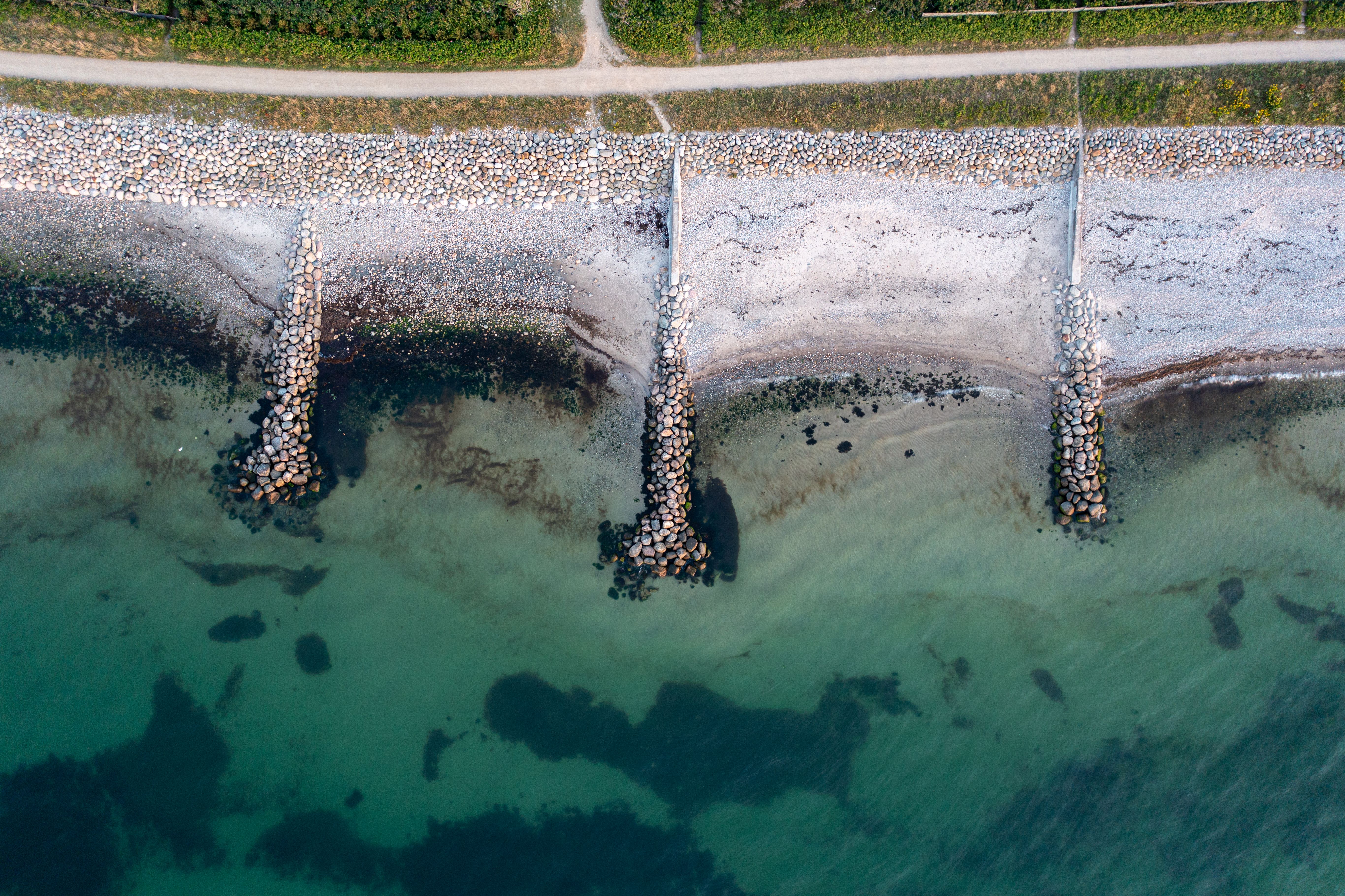
Coastal engineering projects are vital for protecting shorelines, managing natural resources, and facilitating economic development. However, navigating the regional regulations that govern these projects can be complex. Each region may have unique requirements that influence project design, implementation, and sustainability.
Why Regulations Matter
Regulations ensure that coastal engineering projects are conducted in a manner that protects the environment, property, and local communities. They help mitigate potential negative impacts such as erosion, pollution, and habitat destruction. Understanding these regulations is crucial for project success and compliance.
Compliance with regional regulations also fosters trust with stakeholders and the public. It demonstrates a commitment to responsible development and environmental stewardship, which can facilitate smoother project approval and implementation.
Key Regulatory Bodies
Several regulatory bodies govern coastal engineering projects, each with its own areas of focus. Commonly involved organizations include:
- Environmental Protection Agencies
- Local Government Planning Departments
- Marine and Coastal Authorities
- Wildlife Conservation Agencies

Collaboration with these bodies is often required to obtain necessary permits and ensure adherence to guidelines. It's essential to engage with them early in the planning process to avoid delays.
Common Regulatory Requirements
While specifics can vary, there are some common regulatory requirements that most coastal engineering projects must address. These include:
- Environmental Impact Assessments (EIA)
- Coastal Zone Management Plans
- Permits for construction and dredging
- Monitoring and reporting commitments
Each of these requirements plays a critical role in ensuring the long-term sustainability of coastal projects. They help identify potential impacts and outline measures to minimize harm.

Challenges in Navigating Regulations
One of the main challenges is the variation in regulations between regions. What is permissible in one area may be restricted in another. This complexity necessitates a thorough understanding of local laws and practices.
Additionally, changes in political leadership or environmental policy can lead to shifts in regulatory priorities. Staying informed and adaptable is crucial for project teams to maintain compliance.
Best Practices for Compliance
To successfully navigate regional regulations, coastal engineering teams should adopt several best practices:
- Engage with local stakeholders and regulatory bodies early and often.
- Conduct thorough research on regional regulations and legislative changes.
- Invest in sustainable practices that align with regulatory goals.
- Utilize experienced legal and environmental consultants to guide compliance efforts.
By following these strategies, project teams can enhance their understanding of regional regulations and improve project outcomes.
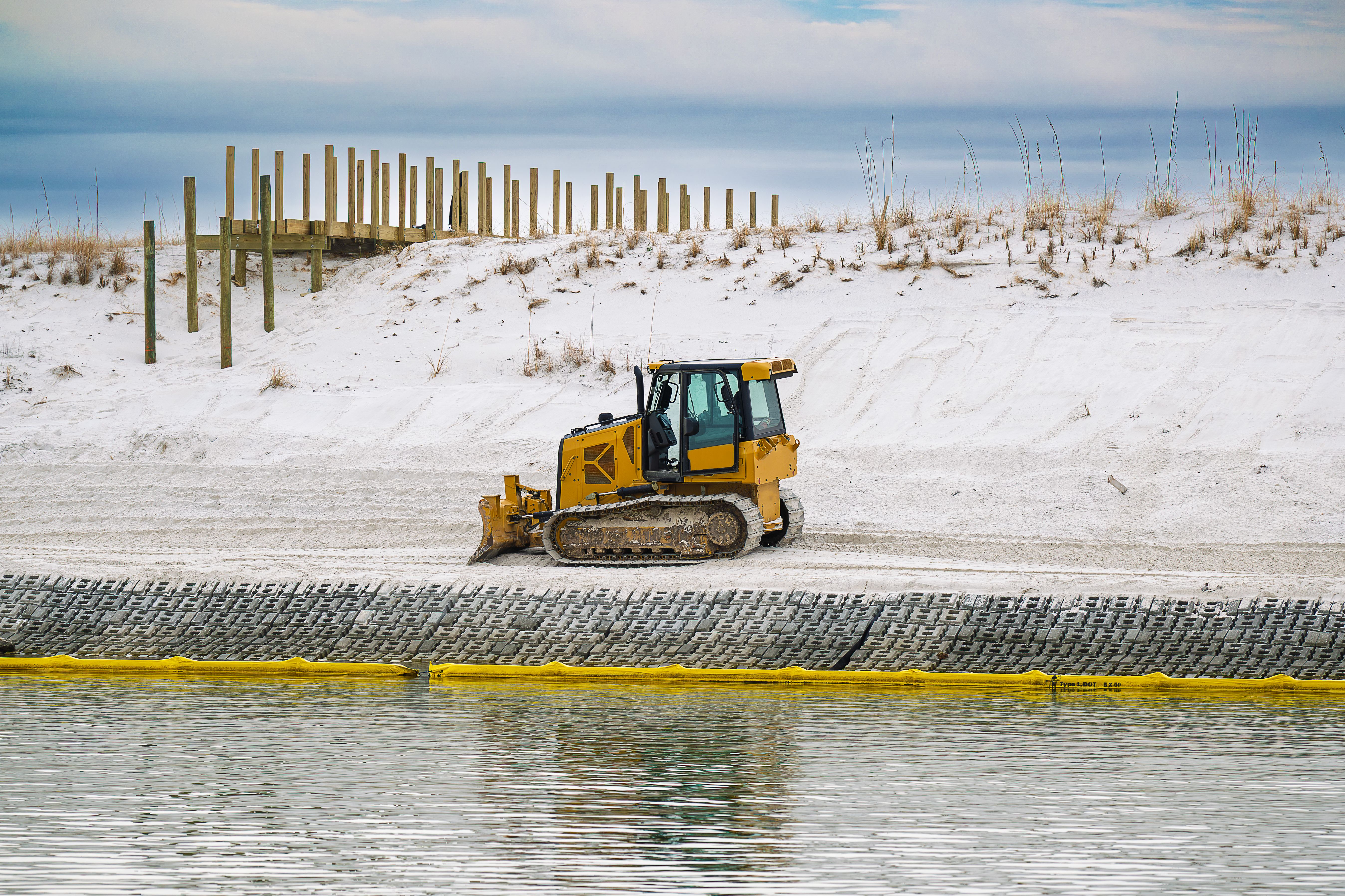
In conclusion, understanding and adhering to regional regulations is essential for the success of coastal engineering projects. By prioritizing compliance and sustainability, project teams can not only meet legal requirements but also contribute positively to environmental preservation and community welfare.