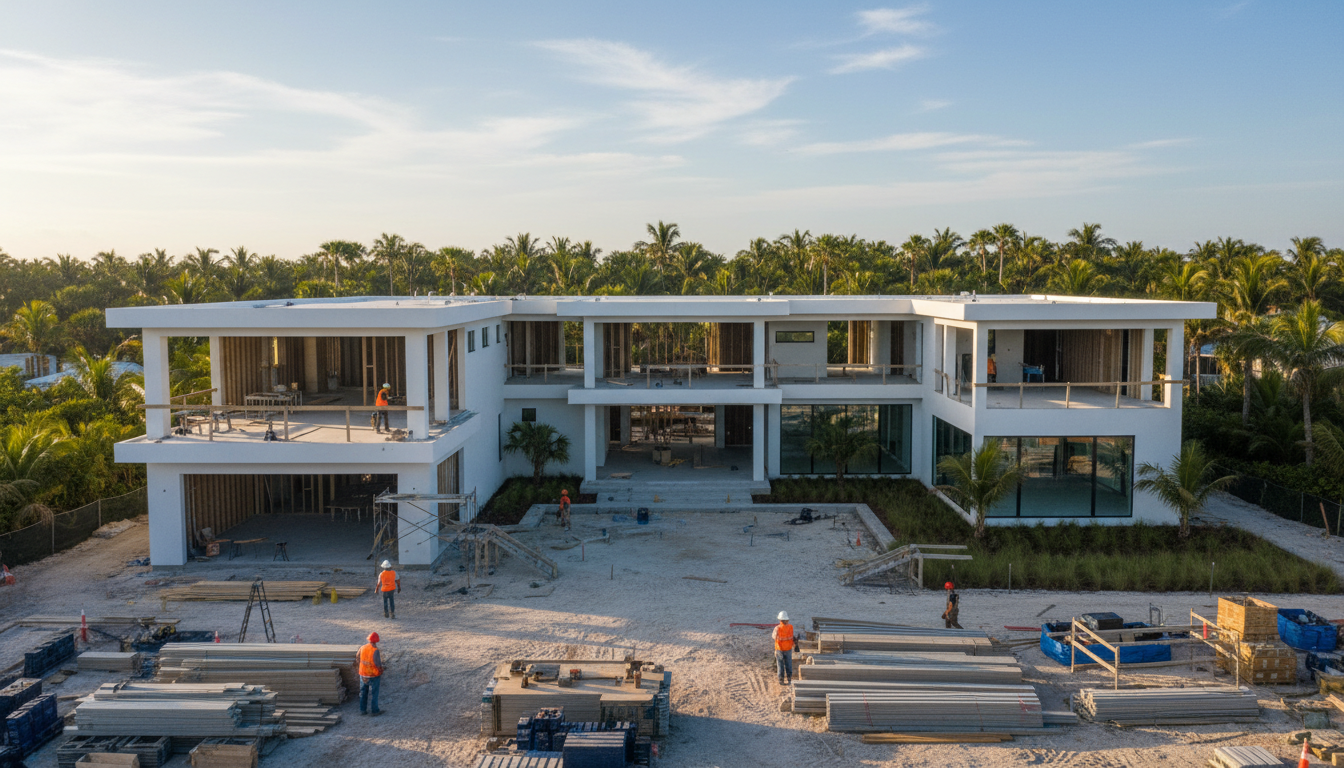
Understanding Structural Engineering Challenges in Coastal Areas


Structural engineering in coastal areas presents a unique set of challenges that require specialized knowledge and innovative solutions. Coastal regions are known for their beauty and economic opportunities, but they also come with environmental and structural complexities. Understanding these challenges is crucial for developing resilient infrastructure.

The Impact of Environmental Factors
Coastal areas are subjected to harsh environmental conditions such as high winds, saltwater corrosion, and fluctuating tides. These factors can significantly affect the durability and longevity of structures. Engineers must consider these elements during the design phase to ensure that buildings and infrastructure can withstand such conditions.
One primary concern is the corrosive nature of saltwater. Structures in coastal areas are often built using materials that are resistant to corrosion, such as stainless steel or specially treated concrete. This helps in preventing the weakening of structural components over time.

Dealing with Natural Disasters
Coastal regions are prone to natural disasters like hurricanes, tsunamis, and flooding. These events pose serious risks to infrastructure and human safety. Engineers must design buildings that can endure extreme weather conditions, which often involves advanced modeling and simulation techniques to predict potential impacts.
Strategies to mitigate these risks include elevating structures above potential flood levels and using flexible materials that can absorb shock. Additionally, designing structures with aerodynamic shapes can reduce wind resistance, minimizing damage during storms.
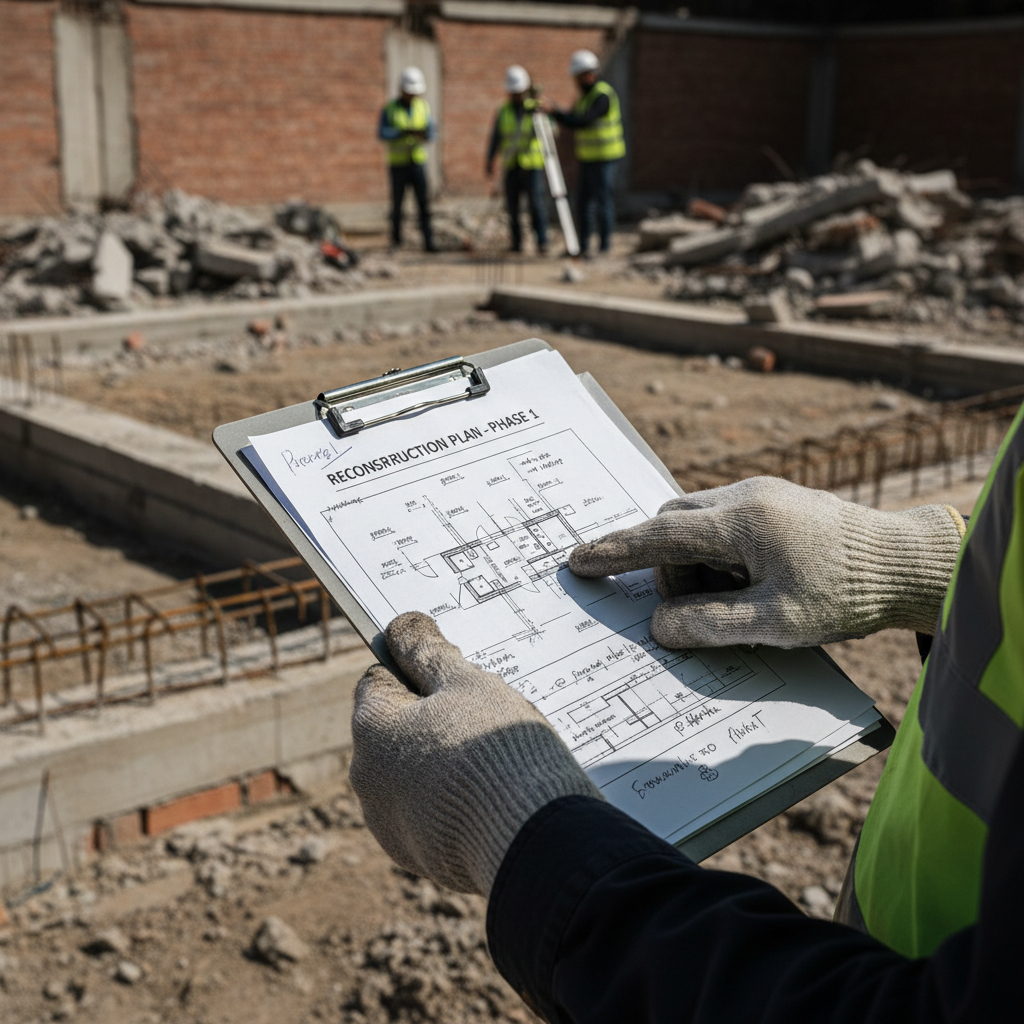
Adapting to Climate Change
Climate change adds another layer of complexity to structural engineering in coastal areas. Rising sea levels and increased storm frequency require adaptive design strategies. Engineers are now incorporating climate resilience into their planning, ensuring that structures remain viable in the face of environmental changes.
Innovations such as floating structures and adaptive foundations are gaining popularity. These designs allow buildings to adjust to changing water levels, providing a dynamic solution to a pressing problem.
Regulatory and Economic Considerations
Building in coastal areas is not only about overcoming environmental challenges but also navigating regulatory and economic hurdles. Stricter building codes and zoning laws are often in place to ensure safety and environmental protection. Engineers must work closely with regulatory bodies to ensure compliance while also considering the economic viability of their projects.
The cost of materials, labor, and compliance can be higher in coastal areas, making economic planning a critical component of any project. Balancing these factors is essential to achieving a successful outcome.